
,
by Nuandez.
Jung: The Catalyst of Great Minds
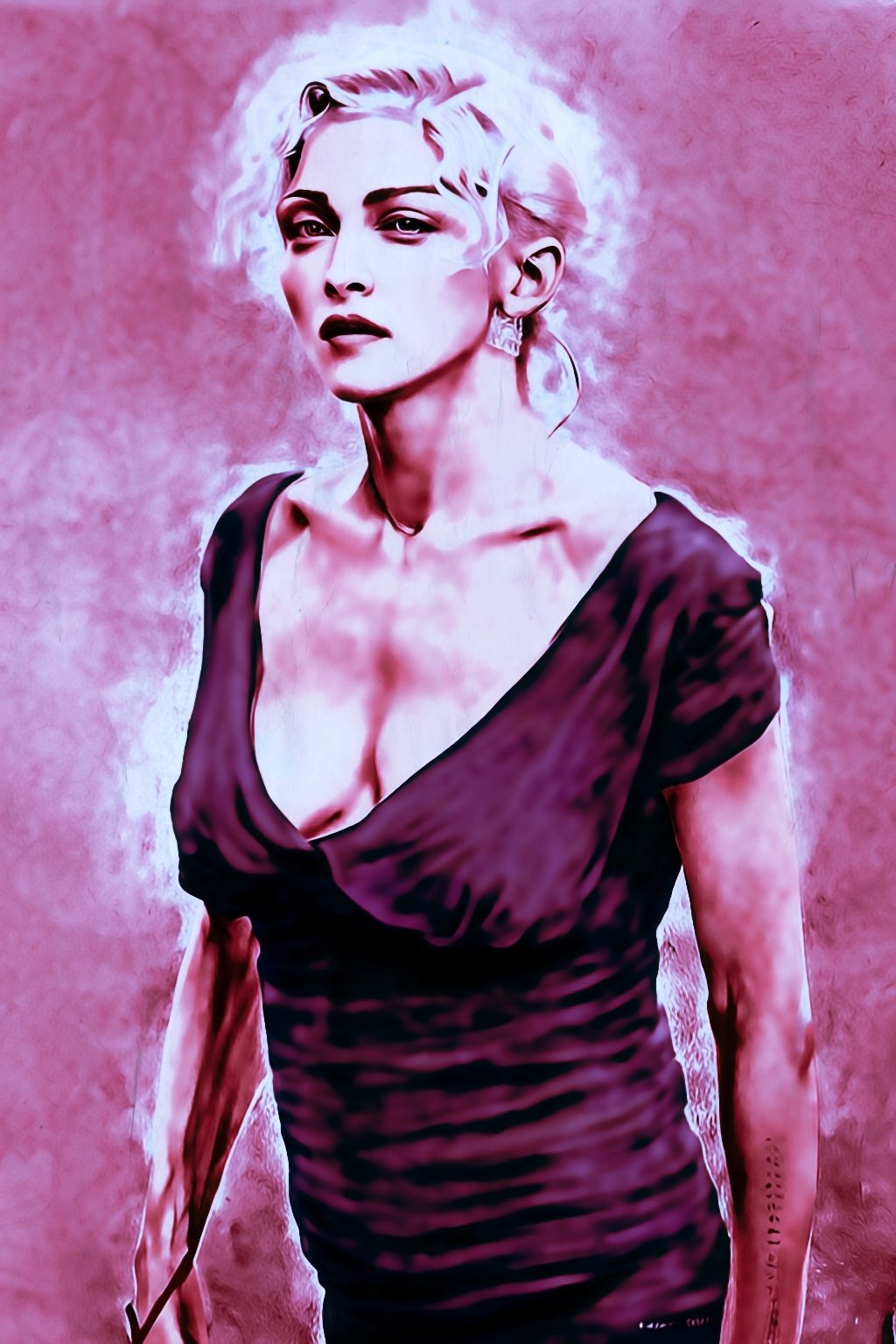
People talk a lot, but the truly great minds leave their mark in books. While not every book holds a masterpiece, a great mind almost always leaves a written legacy behind. If you want to discover more of these brilliant thinkers, you can explore reader-curated rankings on:
But let’s talk about Carl Gustav Jung.
Anyone who dives into his work will find a compelling, deeply fruitful path toward psychological transformation and healing of the soul. Yet, even if you don't read his clinical texts, you can see his ghost haunting the background of cultural masterpieces. Purposefully or not, Jung's ideas serve as the psychological architecture for some of our favorite art.
Consider these three distinct examples
- Madonna’s Frozen: When she sings, "You only see what your eyes want to see", she perfectly mirrors Jung's concepts of the ego and the shadow. True self-awareness -or 'coming to consciousness'- demands the painful, shattering dismantling of our own self-deception.
- Douglas Adams’ The Hitchhiker’s Guide to the Galaxy: In a famous episode -hi Elon!-, a supercomputer spends millions of years calculating the answer to the ultimate question, only to deliver a number that makes no sense because the question itself was never understood. This directly reflects Jung’s famous precept: "To ask the right question is already half the solution".
- Stephen King’s The Shining: The Overlook Hotel is not just a haunted building; it is a manifestation of the unconscious mind. The hotel represents Jack Torrance’s personal "Shadow" -the repressed trauma and dark undercurrents that ultimately swallow him whole.
We don't need to dig deeper into these cases to notice the pattern. It leaves us with a fascinating realization: aren’t these 4 great minds all deeply linked?
The Shining Siddhartha 1984 Crime & Punishment