"Explore daily
the will of God"
-C.G. Jung
the will of God"
-C.G. Jung
.
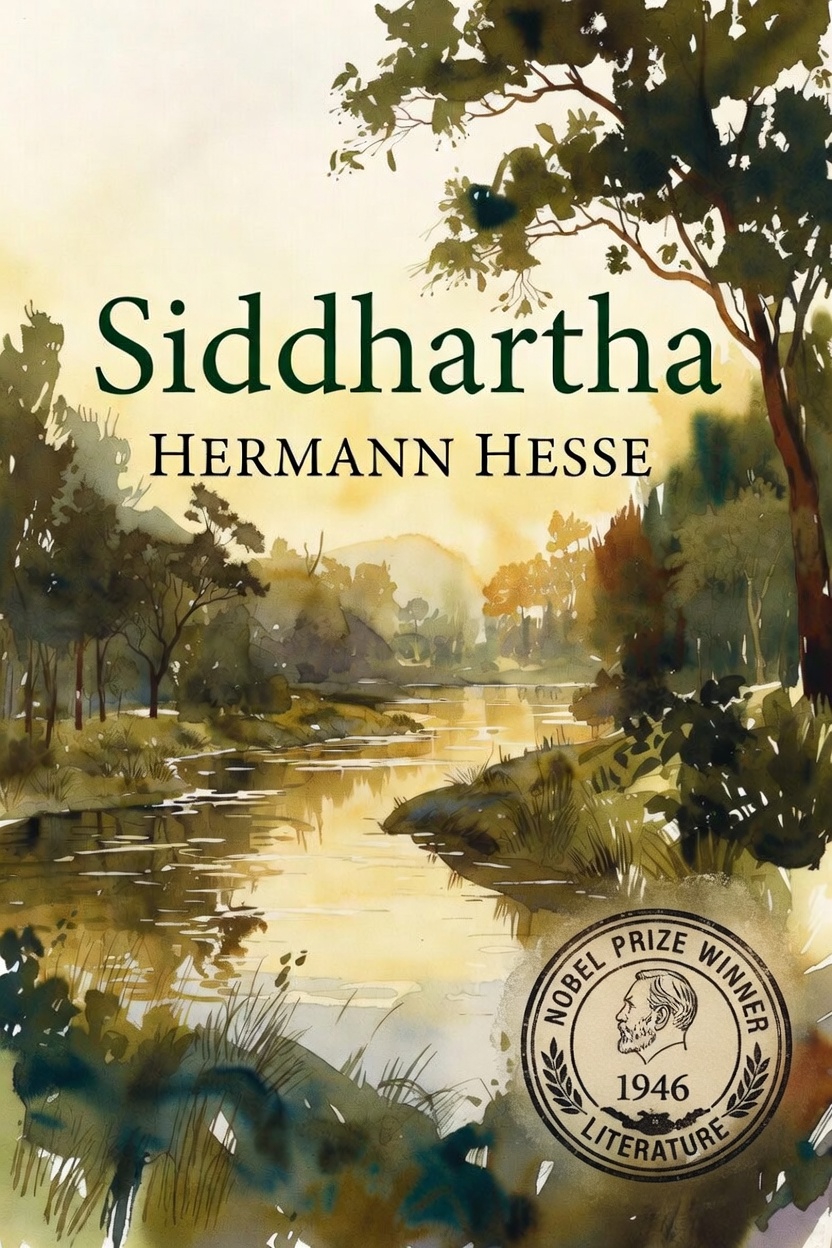
Here's the complete list of literary awards that Nuandez.com will track and consider for book recommendations, reviews, and features:
Nobel Prize in Literature. The most prestigious literary award in the world. Awarded annually by the Swedish Academy since 1901 for an author's entire body of work. Winners receive a gold medal, a diploma, and a cash prize of 11 million SEK (approximately $1.1–1.2 million USD). It brings enormous global media attention and career-defining recognition.
Booker Prize. One of the most influential prizes for fiction written in English. First awarded in 1969. The winner receives £50,000 and usually sees a major boost in sales. Since 2014 it has been open to authors of any nationality.
Pulitzer Prize. 23 annual awards administered by Columbia University in New York City for achievements in journalism, letters, and arts in the United States. Each winner receives a certificate and $15,000. Nuandez.com will focus on the categories of Fiction, Poetry, and Drama.
National Book Awards. Established in 1936 and presented annually in five categories: Fiction, Nonfiction, Poetry, Translated Literature, and Young People's Literature. Finalists receive $1,000, a medal, and a citation; winners receive $10,000 and a bronze sculpture.
International Booker Prize. Awarded annually for the best translated fiction published in English. The £50,000 prize is shared equally between the author and translator. It highlights outstanding international literature in translation.
National Book Critics Circle Awards. Presented annually by the National Book Critics Circle for the finest books published in English in the United States. Awards cover Fiction, Nonfiction, Biography, Autobiography, Poetry, Criticism, and more. (No fixed cash amount for the main awards.)
PEN/Faulkner Award for Fiction. An annual award for the best work of fiction by an American author, emphasizing literary merit over commercial success. The winner receives $15,000; each of the four finalists receives $5,000.
Hugo Awards. The leading awards for science fiction and fantasy, presented annually by the World Science Fiction Society. Categories include Best Novel, Novella, Novelette, and Short Story, among others. (No fixed monetary prize; winners receive a trophy.)
Nebula Awards. Presented annually by the Science Fiction and Fantasy Writers of America (SFWA) for the best works of science fiction and fantasy published in the United States. Key categories include Novel, Novella, Novelette, and Short Story. (No fixed monetary prize.)
Edgar Allan Poe Awards (The Edgars). Awarded annually by the Mystery Writers of America for excellence in mystery, crime, and suspense writing. Categories include Best Novel and Best First Novel, among others. Winners receive a statue (no fixed cash prize for most categories).
Newbery Medal. Awarded annually by the American Library Association for the most distinguished contribution to American literature for children. One of the most respected children's book awards. (No cash prize; winners receive a gold medal.)
Neustadt International Prize for Literature. A biennial award given by the University of Oklahoma for outstanding literary achievement. Often called the "American Nobel," it includes a cash prize of $50,000 and a silver eagle feather.
Miguel de Cervantes Prize. The most prestigious literary award in the Spanish-speaking world, awarded annually by the Spanish Ministry of Culture for a writer's entire career. The winner receives €125,000.
.
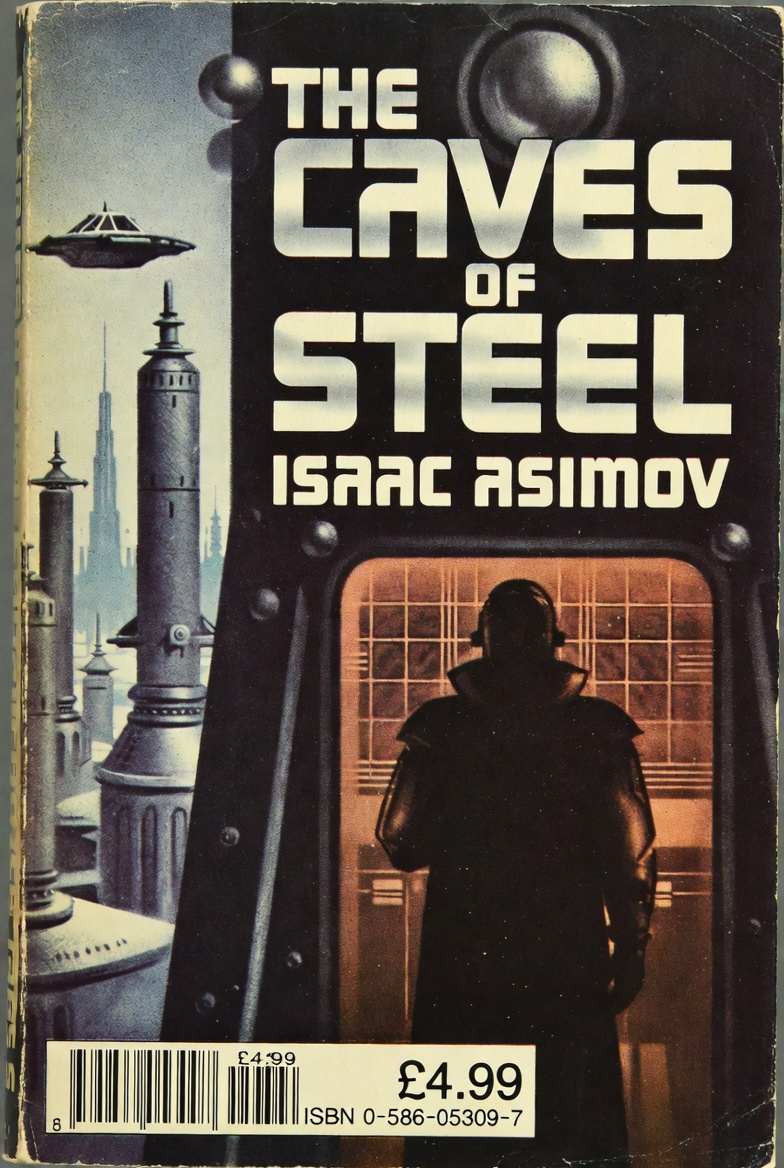
In 1954, the future was a blank slate. There was no Star Wars, no 2001: A Space Odyssey, and no moon landing. Instead, Americans were transfixed by a new screen in their living rooms: TV ownership had just exploded from 33% to over 50%. The nation was transitioning from the Truman era to Eisenhower’s consumer boom, while mega-corporations like GM and GE dominated Wall Street. Against this backdrop of rapid change, a biochemistry professor at the Boston Faculty of Medicine set out to do the impossible.
Isaac Asimov was already famous for his Foundation trilogy -which famously beat The Lord of the Rings for a one-time 1966 Hugo Award. However, critics claimed you couldn't mix science fiction with a whodunit mystery, arguing that futuristic gadgets would make a fair investigation impossible. Challenged by his publisher, Asimov proved them wrong in a furious, six-month burst of writing between November 1952 and May 1953.
The result was The Caves of Steel, a tight, 224-page masterpiece that birthed the sci-fi detective genre. The novel is a time capsule of 1950s anxieties. Asimov, a proud claustrophile, used his love for enclosed spaces to build a world where humanity lives in massive, domed underground cities. This subterranean setting perfectly mirrored the postwar urbanization and Cold War paranoia of the era. Moreover, the plot’s central tension -humans harboring deep prejudice against robots- channeled the real-world automation fears gripping factory workers under the rule of giant corporations.
While civil rights figures like Martin Luther King Jr. and writers like Philip K. Dick were both 25 years old, Asimov was already using human-robot relations to interrogate the mechanics of prejudice. Over seventy years later, this mid-century vision remains incredibly potent. The book's lasting legacy was cemented when Oscar-winner John Ridley (12 Years a Slave) was tapped to direct a film adaptation. Long before Hollywood fell in love with cyberpunk and neon-lit futures, The Caves of Steel proved that the greatest mysteries aren't found in deep space, but in the crowded corners of human nature.
Reading: 8 Art: 7 Wisdom: 8 Author: 8 Total: 8 Read count: 1 /
Reading: 8
Art: 7
Wisdom: 8
Author: 8
Total: 8
Read count: 1 /, by Nuandez.
How important is wisdom in this life. Isn't it?
Having the right perspective can make someone literally fly.
So here's another great man who is worth our time:
Charles Bukowski.
With a very particular biography, Bukowski succeeded late. He became a professional writer at 49.
It is not the purpose of this article to dig too deeply into the first half of his life. But for sure, the nuances of that first stage would have been interesting enough.
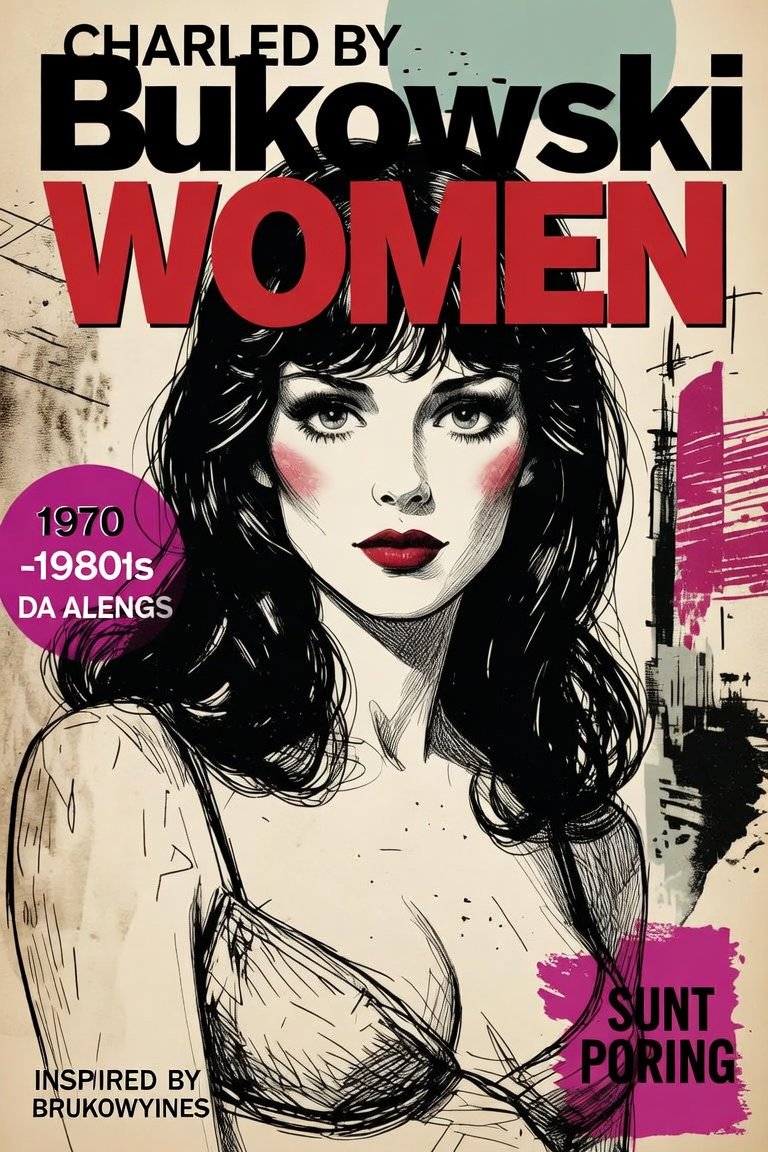
In 1979, he wrote Women.
What an interesting book it was at the time.
A confluence of factors: a deep, disruptive thinker. A modern Poet-Star. A 59-year-old, unconventional man. A high libido, suddenly accompanied by admiration and success.
For some -not everyone-, a beacon, a spiritual leader.
But also a declaration of what his life really was behind the curtains of fame.
Bukowski was a great man to know -not because he was perfect, but because in his vulnerability we can also find a reflection of ourselves.
He sadly passed away in 1992.
On his tombstone, he left four words:
"Don’t try".
.
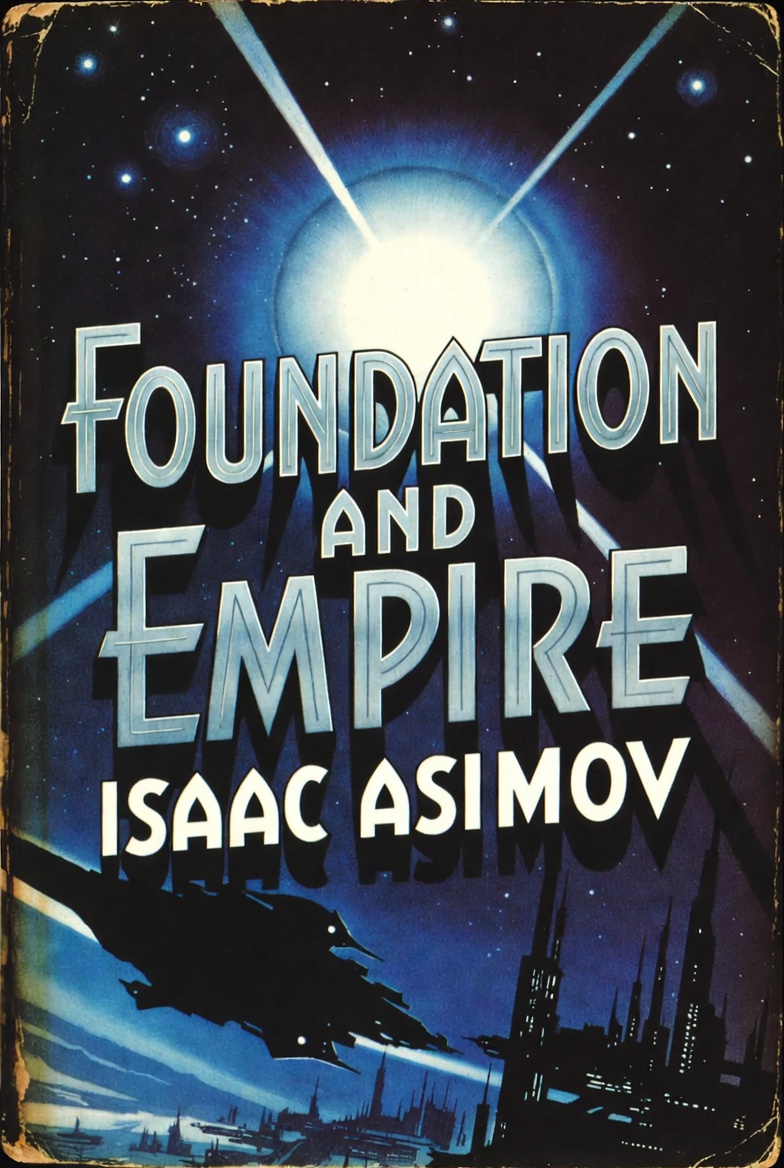
In August 1941, 21-year-old Isaac Asimov walked to a meeting with legendary editor John W. Campbell and suddenly conceived one of science fiction’s greatest epics. Fresh from reading Edward Gibbon’s The History of the Decline and Fall of the Roman Empire, Asimov imagined a galactic counterpart: a vast human empire crumbling into 30,000 years of barbarism. On the spot, he invented Hari Seldon’s science of psychohistory -the mathematical prediction of mass human behavior, drawn from his chemistry studies (just as one cannot predict a single molecule but can forecast an entire gas). Campbell loved the pitch. By the end of their two-hour talk, the Foundation series was born.
Asimov wrote the stories in his West Philadelphia apartment while holding a day job as a chemist at the Philadelphia Naval Yard during World War II and pursuing his doctorate. The first tale, “Foundation” (later retitled “The Encyclopedists”), appeared in Astounding Science-Fiction in May 1942. Seven more stories and novellas followed over the next eight years, published through January 1950. They were never planned as a single novel. Asimov composed them episodically, each a self-contained puzzle of politics, trade, or crisis, building the legend of the Foundation step by step.
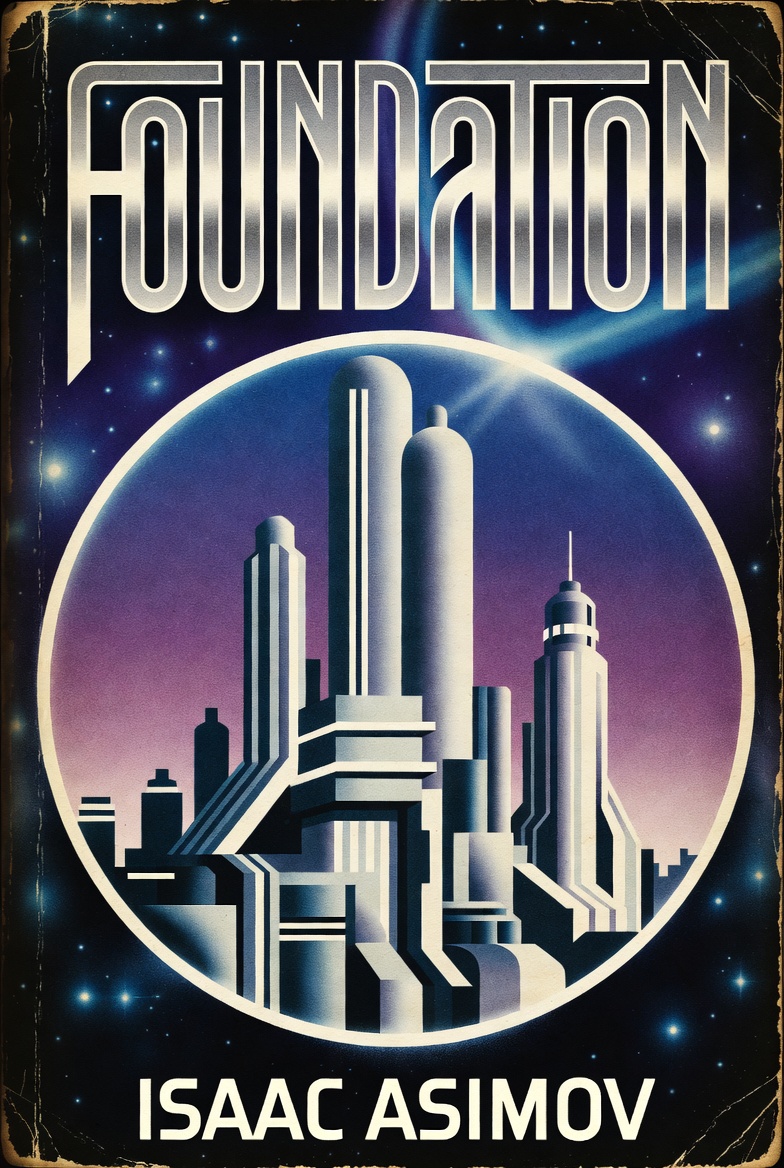
In 1951, Gnome Press collected the early stories -plus a new prologue, “The Psychohistorians”- into Foundation. Foundation and Empire and Second Foundation followed in 1952 and 1953, forming the original trilogy.
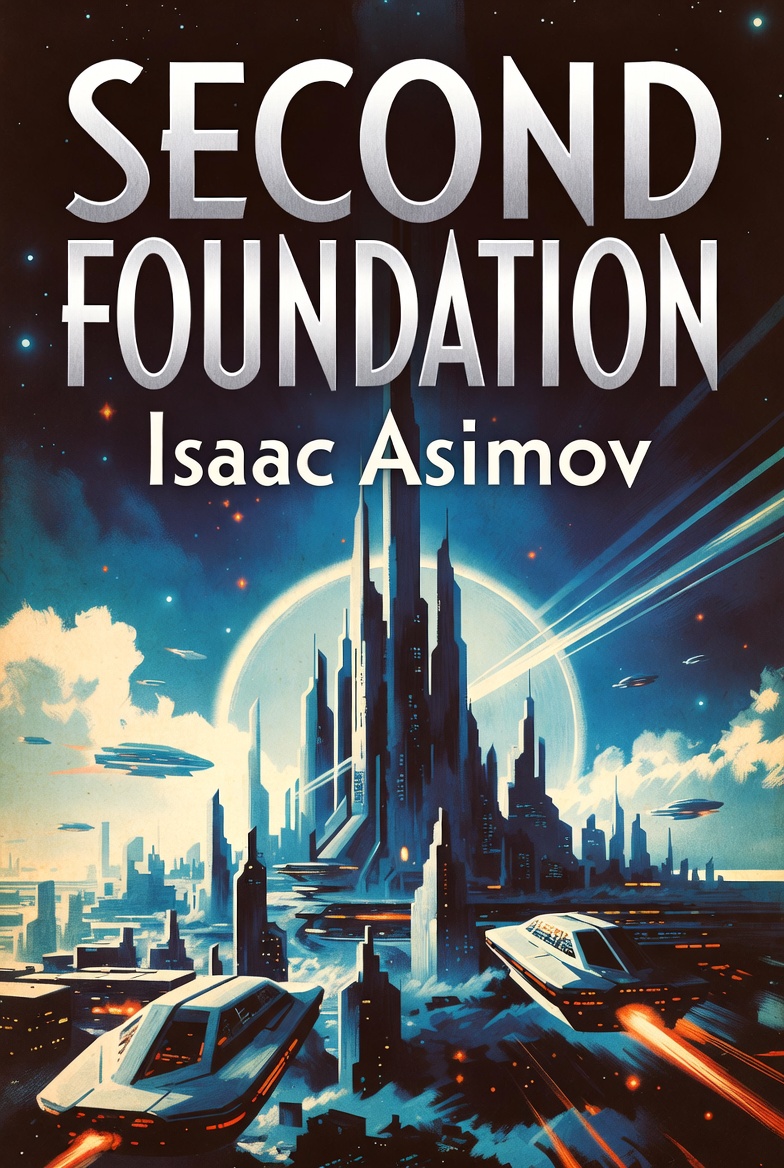
Asimov’s main struggles were practical, not creative. He balanced writing with full-time work and studies, producing the roughly 220,000 words of the core stories amid wartime demands and modest pay. The serialized format made continuity difficult; he admitted tearing up early outlines and occasionally bending psychohistory’s rules (most famously with the unpredictable Mule) to keep the plot moving. Yet he remained astonishingly prolific, letting the story evolve organically rather than forcing a rigid master plan.
What began as magazine pulp became a landmark of “hard” science fiction, proving that grand ideas and quiet intellectual drama could captivate readers. Asimov thought he had finished the series in 1950. Readers -and later publishers- would convince him otherwise decades later. But the original Foundation trilogy remains his enduring masterpiece: written fast, under pressure, and with the confidence of youth.
Reading: 7 Art: 4 Wisdom: 6 Author: 10 Total: 8 Read count: 1 /
Reading: 7
Art: 4
Wisdom: 6
Author: 10
Total: 8
Read count: 1 /, by Nuandez.

The books ranked, finally, in a democratic way.
The star section of Nuandez.com is the Book Chart.
The idea is simple enough: books should be allowed to compete with one another -and readers should have a say in the matter.
At first, the chart will be organized around three filters.
Country. Because literature is, among other things, a record of the peculiarities of the people who produce it. Every country has its obsessions, its humor, its tragedies, its blind spots.
Genre. There are too many books in the world to pretend we approach them without preferences. We have our instincts. Romance, ambition, spirituality, cooking. Some people want Dostoevsky; others want a cookbook. Both are entitled to their afternoon.
Score. What are the most beautifully written books? The most addictive? The wisest? Which authors have the greatest presence, the most extraordinary ability to stay with us? Which books might teach you how to make a billion dollars, or how to have a wonderful family? And, finally, which books belong to the most difficult category of all: the greatest books ever written?
The book chart
Authors will have their own rankings, too, with expanded profiles, data, and images. Great writers have spent centuries giving us their minds; the least we can do is give them a proper page.
And the rankings will be determined by the readers.
Will <a href="https://www.nuandez.com/posts/isaac-asimov-biography">Isaac Asimov</a> beat Frank Herbert?
There is only one way to find out:
The smart people are in the books
The readers themselves will be ranked.
Not because reading is a competition -although, naturally, we will make it one- but because a good reader has something worth measuring: judgment.
Over time, users can build a reputation, discover one another, and perhaps become known beyond Nuandez. Who knows? One day, some of them may be writing for Kirkus Reviews, The New York Times, or The Guardian.
More importantly, they will meet people they would probably never encounter otherwise:
Ruthless criticism
And then, when you have had enough of rankings, arguments, and the accumulated wisdom of civilization, there is the book bulletin. The landing page. The lighter side of the place.
Curiosities, literary news, excerpts, strange facts, jokes, questions, observations, and the occasional punchline. Somewhere to discover something unexpected, make a comment, ask a question, or fall down an entirely unnecessary rabbit hole.
The cast is rather good.
Agatha Christie. Shakespeare. Pearl S. Buck. Margaret Mitchell. Cervantes. J. K. Rowling. Steinbeck. Homer. Harper Lee. Milton Friedman, Adam Smith, Karl Marx...
And then the rest of the crowd: psychologists, traders, economists, Olympic medalists, relationship experts, journalists, politicians, cooks, Roman emperors' advisers, biographers, Greek philosophers, samurai warriors, lovers, billionaires -and all the other strange and wonderful people who have something to say about being human.
Click on it and get lost.
The book bulletin
Reading: 9 Art: 7 Wisdom: 8 Author: 9 Total: 8 Read count: 2 /
Reading: 9
Art: 7
Wisdom: 8
Author: 9
Total: 8
Read count: 2 /, by Nuandez.
What are the books worth reading?
The internet is full of rankings and recommendations about almost anything. At a certain age, we all seem to know the best movies, the best video games, the best tennis players, the richest countries...
You can rank almost everything -from hamburgers to skyscrapers to boxing matches.
I've always found it difficult to rank books. Perhaps because of the very nature of the subject.
As I mentioned in an earlier post, a book can be the answer to a question. But that question may belong to a very specific niche, making the book almost useless to 98% of readers around the world.
And that's the problem.
In this field, I dare to say, more than in almost any other, great books and great authors can easily be overlooked precisely because of the nature of the field.
So filters are necessary. Drawing a clear picture will be the mission.
The question remains:
What are the all-time greatest books?
Reading: 10 Art: 10 Wisdom: 10 Author: 9 Total: 10 Read count: 3 /
Reading: 10
Art: 10
Wisdom: 10
Author: 9
Total: 10
Read count: 3 /, by Nuandez.
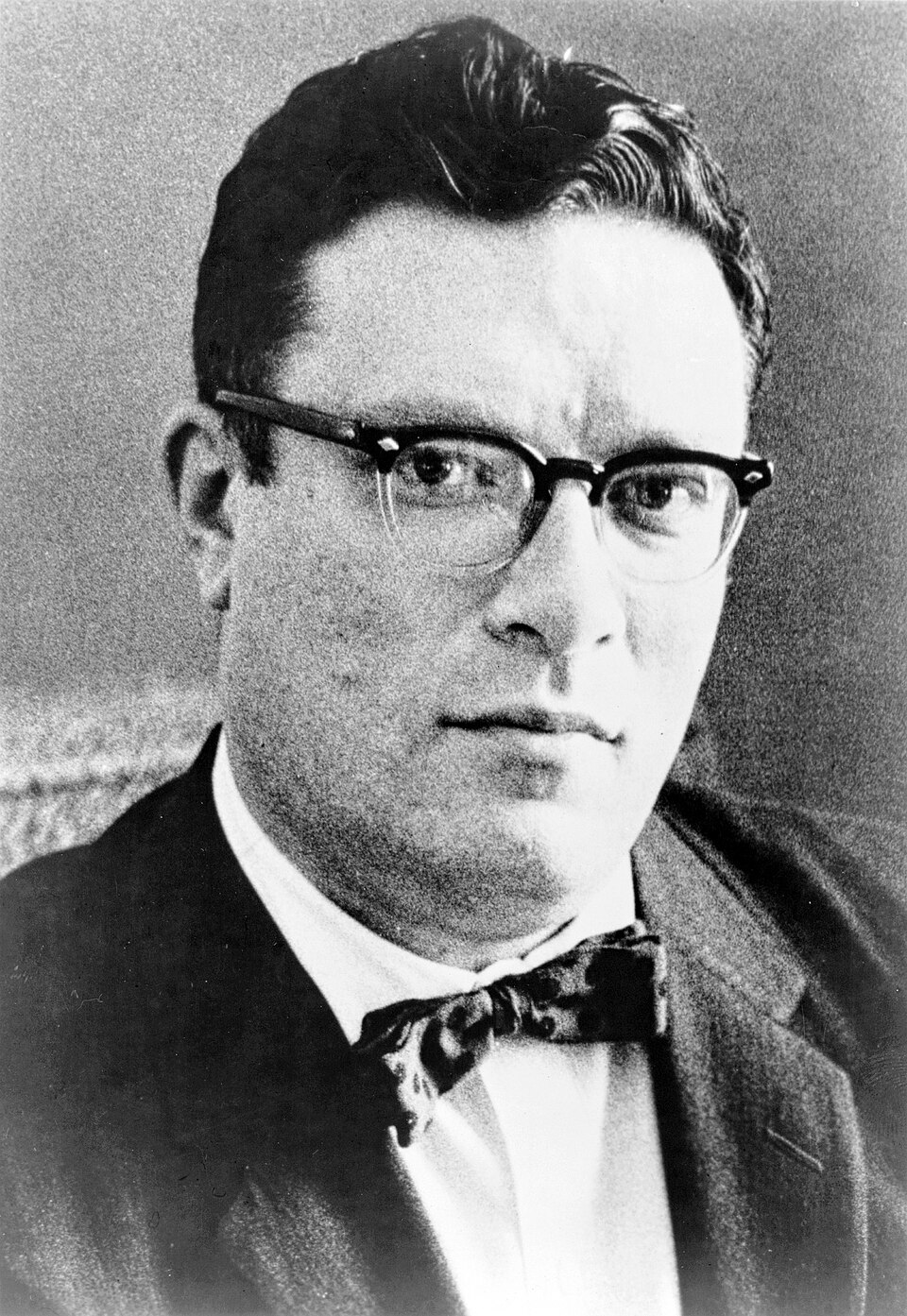
Isaac Asimov (1920-1992) stands as one of the most prolific and influential authors of the 20th century. Best known for his science fiction masterpieces like the Foundation series and the Three Laws of Robotics, Asimov wrote or edited over 500 books across genres. Beyond his towering literary output, his personal life reveals a driven, curious, and deeply humanistic individual shaped by immigration, intellect, and an unwavering faith in reason.
Born Isaak Yudovich Ozimov on January 2, 1920, in Petrovichi, Russia, Asimov immigrated to the United States at age three with his Jewish family. They settled in Brooklyn, New York, where his parents opened a candy store. Young Isaac discovered science fiction magazines on the store shelves, teaching himself to read and igniting a lifelong passion. The family’s modest immigrant life instilled strong work ethics; Asimov later credited the candy store with sparking his voracious reading habits.
He excelled academically, earning a Bachelor’s degree from Columbia University in 1939, followed by a Master’s and a PhD in biochemistry in 1948. During World War II, he served in the U.S. Navy’s Air Experimental Station alongside fellow writers Robert A. Heinlein and L. Sprague de Camp. After the war, Asimov joined Boston University’s faculty as a professor of biochemistry, a position he held until 1958, when he transitioned to full-time writing.
Asimov’s personal habits reflected a man comfortable in his own mind. A self-described claustrophile, he loved enclosed spaces and avoided flying throughout his life. He was a prolific correspondent, writing tens of thousands of letters, and maintained a rigorous daily writing schedule -often producing thousands of words before breakfast. Though married twice (first to Gertrude Blugerman, with whom he had two children, and later to psychiatrist Janet Jeppson), Asimov valued intellectual companionship. He described himself as a rationalist and humanist, rejecting organized religion while championing science, ethics, and human potential.
His breakthrough came in the 1940s with short stories in pulp magazines like Astounding Science Fiction. The Foundation trilogy (1951-1953) and I, Robot (1950) cemented his reputation. He coined “robotics” and introduced the famous Three Laws, influencing real-world discussions on AI ethics. Beyond fiction, Asimov wrote extensively on science, history, and Shakespeare, making complex topics accessible to general readers.
In later years, Asimov continued producing work at an astonishing rate. He revealed in interviews a cheerful, optimistic outlook despite health challenges. He passed away on April 6, 1992, from heart and kidney failure. In 2002, his second wife disclosed that he had contracted AIDS from a tainted blood transfusion during 1983 heart surgery, a secret kept at doctors’ request.
Asimov’s personal philosophy shines through his work: an unshakeable belief that humanity’s future lies in curiosity, science, and cooperation. He once said, “The most exciting phrase to hear in science… is not ‘Eureka!’ but ‘That’s funny…’” This blend of wonder and rationalism defined both his writing and his life.
Today, Asimov’s legacy endures in literature, popular science, and ongoing AI debates. For book lovers, exploring his biography offers insight into a mind that truly spanned the universe -from Brooklyn candy stores to galactic empires.
Reading: 9 Art: 8 Wisdom: 6 Author: 8 Total: 8 Read count: 1 /
Reading: 9
Art: 8
Wisdom: 6
Author: 8
Total: 8
Read count: 1 /, by Nuandez.
The five-star problem
The 5-star rating system has become the standard measurement in the smartphone era. Makes sense.
It's simple: the reviewed book is good, bad, or somewhere in the grey area between.
But let's dissect the system into three groups.
Group 1: The 5-star winners
I can't remember them. Haven't seen them either.
Rarely is a five-star score achieved -and usually only when the rating comes from a handful of voters.
It's difficult to trust a perfect score when a book has been reviewed only four, five, or six times. The average is simply not reliable enough -and can easily be manipulated.
Group 2: The 4-star books
Here, things become more interesting.
A 4.3 is a good average. An interesting book.
A 4.7 is something else: a book, restaurant, monument -or whatever- that, when supported by a large number of reviews, starts to become legendary.
Group 3: The 3-star, 2-star, 1-star books
For the potential reader, these rarely get a second chance.
...
The system has become an industry standard. We are familiar with it.
And in a world where information is everywhere, we love simplicity.
But what about the nuances?
What if we want something different? Different content. Different energy. Different environment.
How was the READING?
Was it enjoyable? Slow? Difficult?
What about the ARTISTIC style? Beautiful language? Accurate descriptions? Virtuous structure?
And the AUTHOR?
Knowledgeable authority? Positive energy? Obscure psychology? Attractive personality?
And my favourite:
Does the book fix the problem?
Does it give you WISDOM? Eliminate fear? Make you better? Feed your soul?
Four different dimensions.
So what's the TOTAL?
What's the final evaluation?
What is the Nuandez score -from 0 to 10?
Reading: 8 Art: 4 Wisdom: 9 Author: 8 Total: 9 Read count: 2 /
Reading: 8
Art: 4
Wisdom: 9
Author: 8
Total: 9
Read count: 2 /, by Lisa.
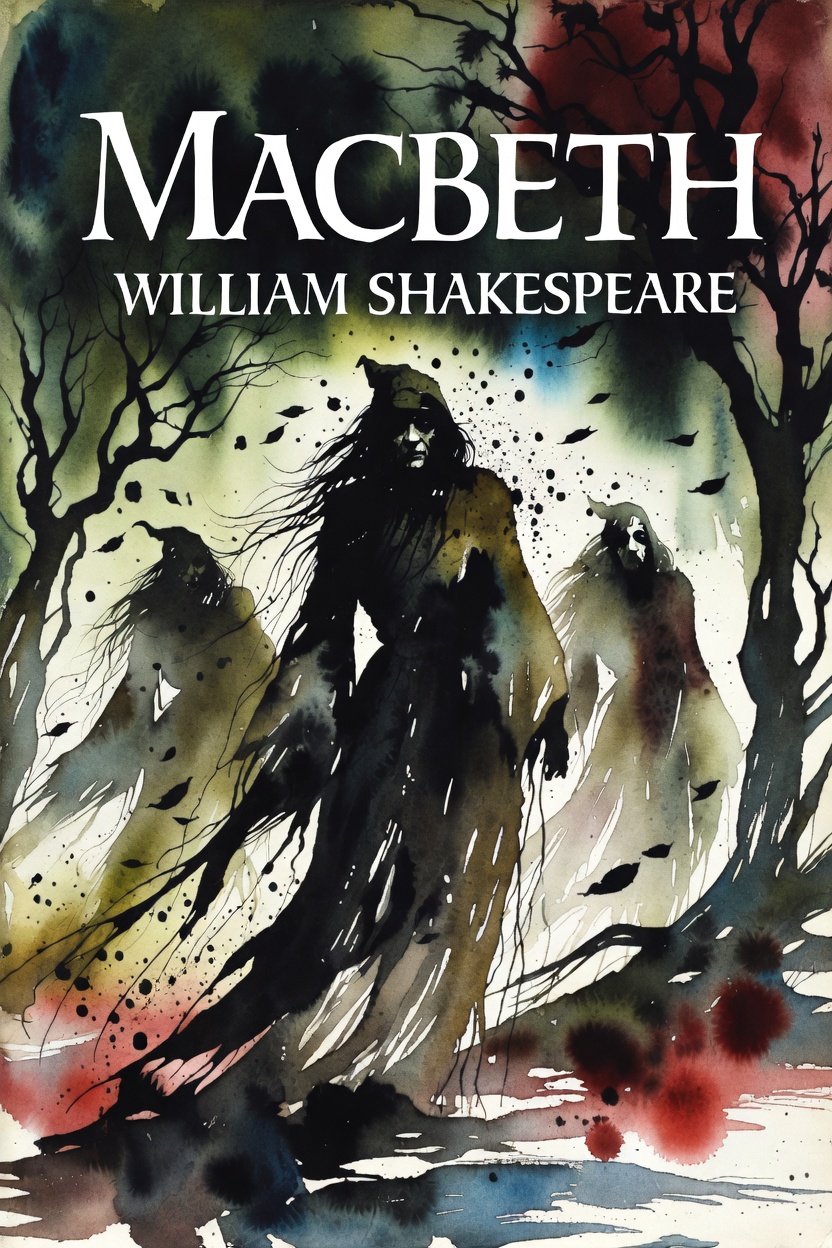
In Act 1, Scene 3 of Shakespeare’s Macbeth, the tragedy sparks to life. On a storm-swept heath, two victorious generals -Macbeth and Banquo- encounter three supernatural entities. The dialogue in this scene is eerie, paradoxical, and heavy with fate.
Here are the most dramatic and unforgettable excerpts rescued from their encounter:
The shock of the unnatural
When the generals stumble upon the weird sisters, Banquo is transfixed by their grotesque, unearthly appearance. His words perfectly capture the unsettling gothic atmosphere of the moment:
"What are these
So wither'd and so wild in their attire,
That look not like the inhabitants o' the earth,
And yet are on't? [...] you should be women,
And yet your beards forbid me to interpret
That you are so".
The chilling prophecy
The atmosphere shifts from eerie to electric when the Witches chant in unison. They drop three titles like heavy stones, instantly planting the seed of fatal ambition in Macbeth's mind:
"All hail, Macbeth! hail to thee, thane of Glamis!
All hail, Macbeth! hail to thee, thane of Cawdor!
All hail, Macbeth! that shalt be king hereafter!"
The Paradoxical Future
When Banquo demands to know his own destiny, the Witches answer in beautiful, haunting riddles. Structured as absolute opposites, these lines set up the twisted irony of the entire play:
"First Witch: Lesser than Macbeth, and greater.
Second Witch: Not so happy, yet much happier.
Third Witch: Thou shalt get kings, though thou be none..."
The inner poison takes root
Moments later, Macbeth learns he has officially been named Thane of Cawdor. Realizing the prophecy is coming true, Macbeth delivers a striking internal monologue. His imagination instantly leaps to the terrifying thought of murdering King Duncan:
"[...] if good, why do I yield to that suggestion
Whose horrid image doth unfix my hair
And make my seated heart knock at my ribs,
Against the use of nature?"
With a few cryptic prophecies, the weird sisters construct a trap Macbeth cannot escape. By revealing a future of absolute power, they turn his own destiny into his ultimate undoing -proving that some secrets are better left unspoken. It remains one of the most masterful examples of psychological horror ever put to paper.
Reading: 10 Art: 10 Wisdom: 9 Author: 10 Total: 10 Read count: 1 /
Reading: 10
Art: 10
Wisdom: 9
Author: 10
Total: 10
Read count: 1 /, by Nuandez.
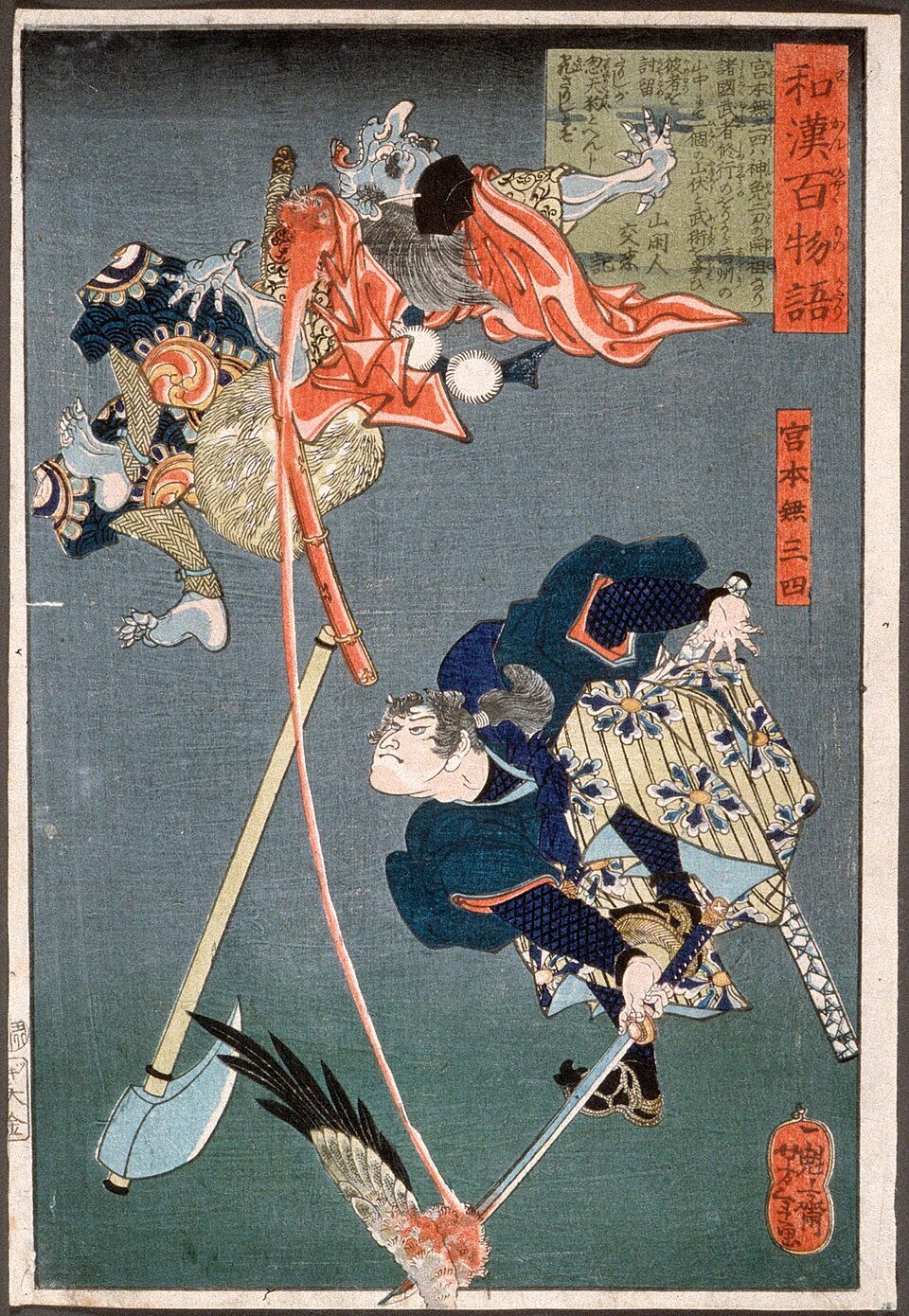
Miyamoto Musashi was a Japanese swordsman, considered a "sword saint", with an undefeated record of 62 duels.
His father, according to Wikipedia, was already an accomplished martial artist. Even his grandfather was a retainer of an important lord in a Japanese province. Musashi himself "never took a wife, cut his hair, or entered a bath".
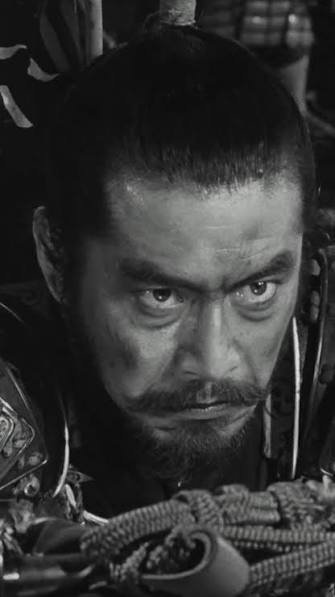
If you like movies, there is a biographical trilogy starring Toshiro Mifune and directed by Hiroshi Inagaki, released in the early 1950s. Perhaps his most difficult duel was the one portrayed in the final one, against Sasaki Kojiro. A duel on Ganryu Island, with a year of preparation and hundreds of spectators.

Later in life, suffering from neuralgia -perhaps caused by the injuries he sustained in combat- he retired to a cave and wrote down the teachings he had gathered throughout his life.
So this is the greatness of books
You should know the saying: "We are the average of the seven people we spend the most time with".
It doesn't seem like a bad idea, then, to spend some time listening to the words and thoughts of one of history's greatest samurai.
, by Nuandez.
“Love is in the air,” says the song.
Oxygen too. And survival -Darwinianly speaking- is in the air as well...
Survival comes from fear.
Okay. Imagine this situation:
1. A person encounters a fear.
2. He or she searches for a book that might help defeat it.
3. The book is found -and paid for.
4. The reading begins.
5. Time, expectations, illusions... all wasted.
But the seed has been planted.
6. And the fruit is Nuandez.com.
This site has a passion for books.
Because think about it: few things can rival a great book -the imprint in time left by a great writer, the words that once populated a mind at one precise moment, when thought and ink became one.
And somehow, those words prevail. Forever.
But there is a problem: there isn't enough time to read all the great books. And, let's be honest, most books aren't worth our time anyway.
So the question arises:
What books should we read?
Does there exist a ranking, anywhere in the world, that tells us which books are worth reading? Which books are the best? Which books have truly stood the test of time?
Yes, it exists:
Nuandez Book Ranking