
,
by Nuandez.
Isaac Asimov: The Man Behind the Galactic Visions
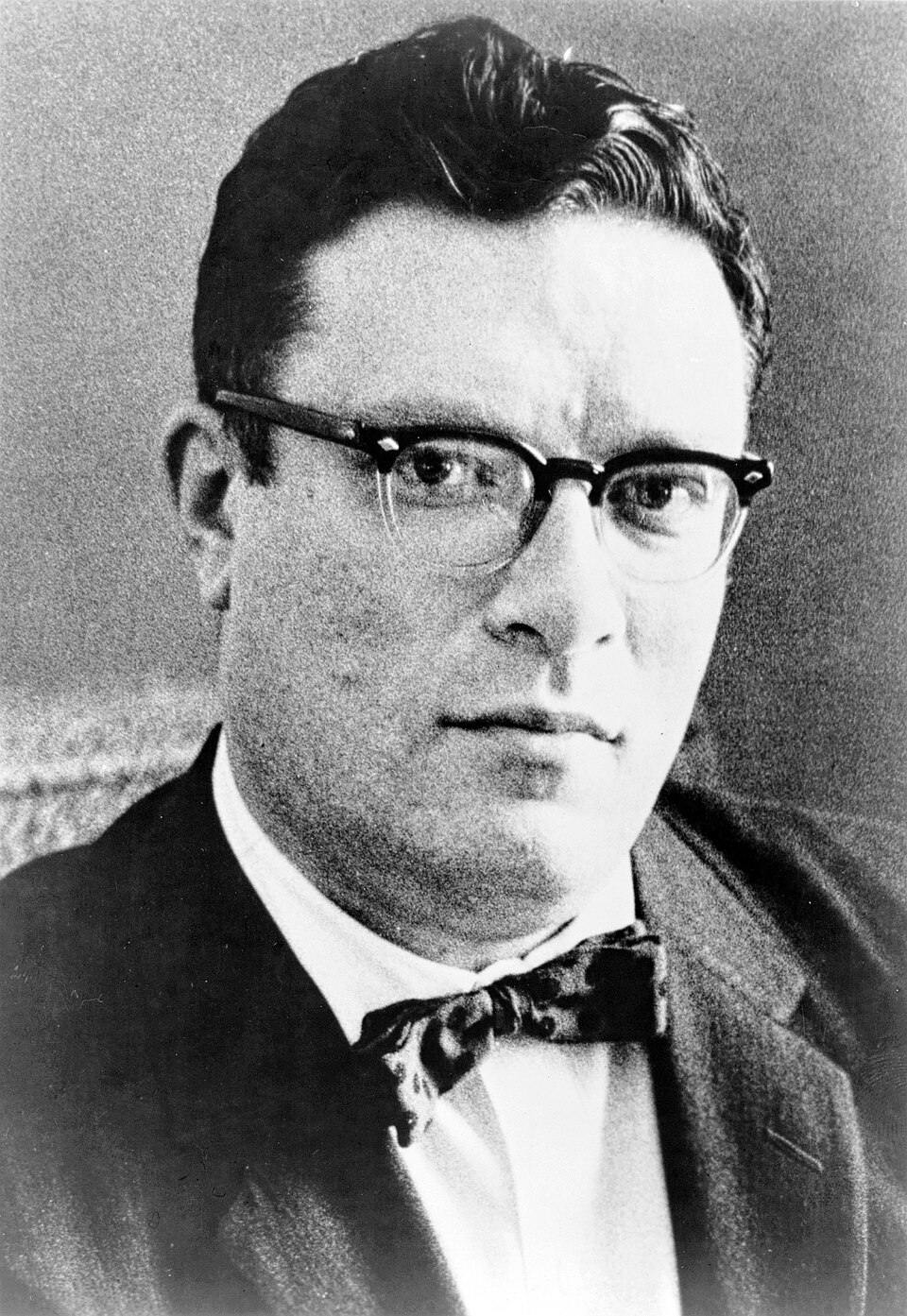
Isaac Asimov (1920-1992) stands as one of the most prolific and influential authors of the 20th century. Best known for his science fiction masterpieces like the Foundation series and the Three Laws of Robotics, Asimov wrote or edited over 500 books across genres. Beyond his towering literary output, his personal life reveals a driven, curious, and deeply humanistic individual shaped by immigration, intellect, and an unwavering faith in reason.
Born Isaak Yudovich Ozimov on January 2, 1920, in Petrovichi, Russia, Asimov immigrated to the United States at age three with his Jewish family. They settled in Brooklyn, New York, where his parents opened a candy store. Young Isaac discovered science fiction magazines on the store shelves, teaching himself to read and igniting a lifelong passion. The family’s modest immigrant life instilled strong work ethics; Asimov later credited the candy store with sparking his voracious reading habits.
He excelled academically, earning a Bachelor’s degree from Columbia University in 1939, followed by a Master’s and a PhD in biochemistry in 1948. During World War II, he served in the U.S. Navy’s Air Experimental Station alongside fellow writers Robert A. Heinlein and L. Sprague de Camp. After the war, Asimov joined Boston University’s faculty as a professor of biochemistry, a position he held until 1958, when he transitioned to full-time writing.
Asimov’s personal habits reflected a man comfortable in his own mind. A self-described claustrophile, he loved enclosed spaces and avoided flying throughout his life. He was a prolific correspondent, writing tens of thousands of letters, and maintained a rigorous daily writing schedule -often producing thousands of words before breakfast. Though married twice (first to Gertrude Blugerman, with whom he had two children, and later to psychiatrist Janet Jeppson), Asimov valued intellectual companionship. He described himself as a rationalist and humanist, rejecting organized religion while championing science, ethics, and human potential.
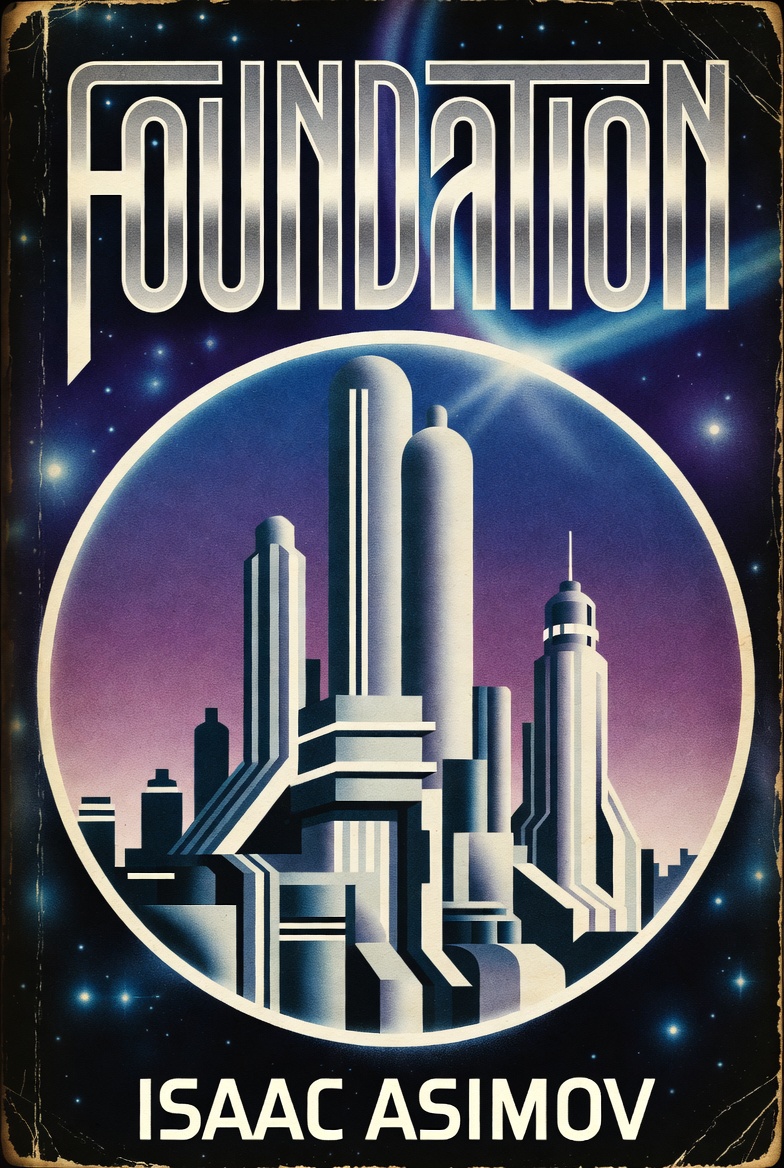
His breakthrough came in the 1940s with short stories in pulp magazines like Astounding Science Fiction. The Foundation trilogy (1951-1953) and I, Robot (1950) cemented his reputation. He coined “robotics” and introduced the famous Three Laws, influencing real-world discussions on AI ethics. Beyond fiction, Asimov wrote extensively on science, history, and Shakespeare, making complex topics accessible to general readers.
In later years, Asimov continued producing work at an astonishing rate. He revealed in interviews a cheerful, optimistic outlook despite health challenges. He passed away on April 6, 1992, from heart and kidney failure. In 2002, his second wife disclosed that he had contracted AIDS from a tainted blood transfusion during 1983 heart surgery, a secret kept at doctors’ request.
Asimov’s personal philosophy shines through his work: an unshakeable belief that humanity’s future lies in curiosity, science, and cooperation. He once said, “The most exciting phrase to hear in science… is not ‘Eureka!’ but ‘That’s funny…’” This blend of wonder and rationalism defined both his writing and his life.
Today, Asimov’s legacy endures in literature, popular science, and ongoing AI debates. For book lovers, exploring his biography offers insight into a mind that truly spanned the universe -from Brooklyn candy stores to galactic empires.
I, Robot Foundation Siddhartha Crime & Punishment
SciAndFi - 18th October, 2026 at 20:35
"So I picture Asimov as a kid devouring sci-fi books and magazines, just like I used to devour video game magazines when I was a kid. “We are more the sons of our generation than of our parents", I once heard someone say…"
Toshiro - 18th October, 2026 at 20:49
"Born in 1920, he came to America in 1923, so he grew up during the Roaring Twenties. Cars, radio, movies. Buster Keaton, Greta Garbo, Walt Disney. Babe Ruth. Art Deco. Prohibition. And the Crash hit when he was just nine years old."