
"If you want to test a man's character, give him power"
-Abraham Lincoln
-Abraham Lincoln
28th of May, 2026
The aim of the site is to determine which books are truly worth reading.
Of course, not every book will have the same importance for every individual. If I want to learn how to make a woman fall in love with me, many books have been written on the subject. Some will be good, and some will not be very good. But the main problem is that a book about making someone fall in love may be a complete waste of time for a married man who is more concerned about his children’s behavior at school. So ratings and rankings can become messy.
We already know that. Still, I do not think it will be a major issue. A book may not fit my personal needs and still be considered a masterpiece.
The major issue is representing the enormous number of books published worldwide. Only the ones that truly stand out will deserve a place on the website. And the numbers are staggering:
-"Don Quixote", for example, has had tens of thousands of editions published. It was first released in 1605 and has been translated into roughly 140 languages.
-The most accurate way to determine whether a book meets professional standards of importance is through the assignment of an ISBN (International Standard Book Number), combined with legal deposit registration. The ISBN system was launched in 1970. But the problem remains: hardcover editions, paperback editions, revised versions, translations, and so on. Between 50 and 70 million books have been assigned ISBNs worldwide.
-Amazon, the company that wants to sell practically everything, lists around 32 million individual book titles worldwide.
So these are the numbers.
We are going to ignore e-books and self-published books. Thirty-two million books, each with an average width of an inch, would fill a bookshelf stretching 505 miles. Nowadays, that is not such a terrifying figure: I suppose a low-cost Boeing 737 could take you from one end to the other in about an hour and twenty minutes.
So, among all these books, which ones are truly worth reading?
We cannot read them all, I’m afraid. Even if you could read one book every hour, it would still take around 3,600 years -and that would leave no time for sleep. Filtering is necessary. And cruelty is necessary too, because the world is full of interesting people.
Who are the authors who truly stand out? Who are the ones who found wisdom and enlightenment?
Nuandez.com will build its database with the most important books of them all.
Will every one of them eventually make it onto the list?
23rd of May, 2026
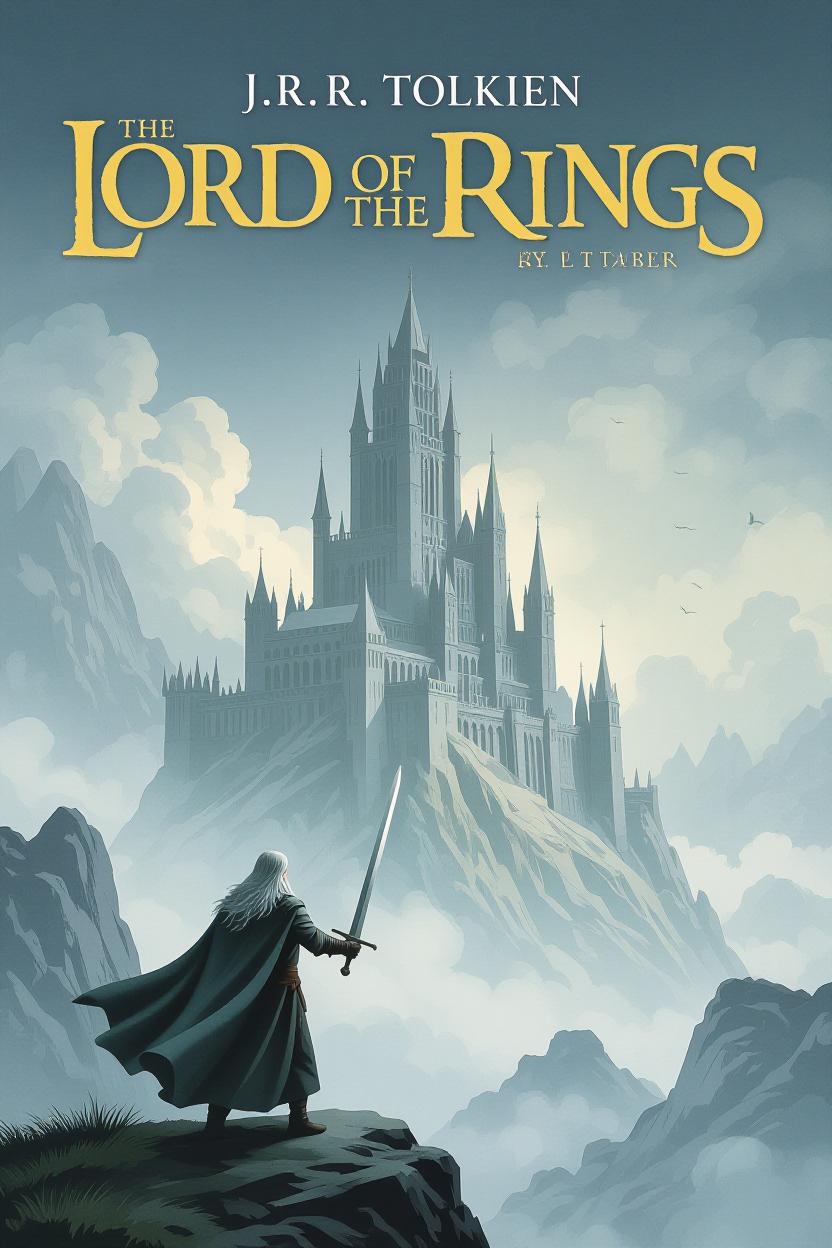
Through Sméagol (Gollum), J.R.R. Tolkien explored profound theological and psychological themes regarding sin, addiction, free will, and pity.
The Psychology of Addiction:
Sméagol represents the devastating power of obsession. The One Ring acts as a physical manifestation of sin and addiction. It erodes his identity, splits his mind into two personas, and traps him in a state of arrested development where he refers to himself in the plural.
The Limits of Free Will:
Tolkien, a devout Catholic, used Sméagol to show how repeated bad choices gradually destroy a person's moral agency. Sméagol is not inherently evil, but his initial choice to murder his friend Déagol for the Ring binds his will to a dark power. Eventually, he loses the capacity to save himself, illustrating how evil enslaves the soul.
The Necessity of Pity and Grace:
Sméagol’s narrative purpose is to prove that mercy is never wasted. Bilbo and Frodo both choose to spare his life out of pity. Though Sméagol ultimately betrays them, his accidental destruction of the Ring -driven by his obsession- accomplishes the quest when Frodo’s strength fails.
Through this, Tolkien delivers his ultimate message: even the most corrupted, miserable creatures can inadvertently serve a higher, providential purpose, and true victory is achieved through mercy rather than raw power.
21st of May, 2026
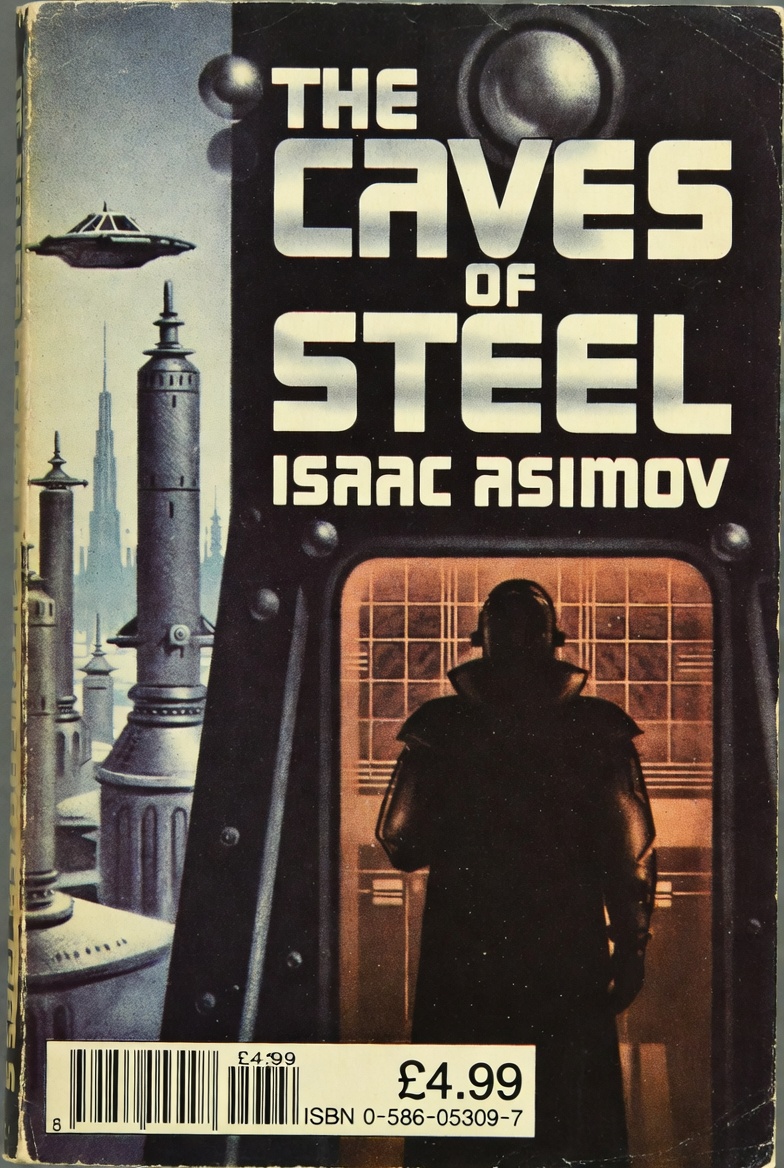
In 1954, the future was a blank slate. There was no Star Wars, no 2001: A Space Odyssey, and no moon landing. Instead, Americans were transfixed by a new screen in their living rooms: TV ownership had just exploded from 33% to over 50%. The nation was transitioning from the Truman era to Eisenhower’s consumer boom, while mega-corporations like GM and GE dominated Wall Street. Against this backdrop of rapid change, a biochemistry professor at the Boston Faculty of Medicine set out to do the impossible.
Isaac Asimov was already famous for his Foundation trilogy -which famously beat The Lord of the Rings for a one-time 1966 Hugo Award. However, critics claimed you couldn't mix science fiction with a whodunit mystery, arguing that futuristic gadgets would make a fair investigation impossible. Challenged by his publisher, Asimov proved them wrong in a furious, six-month burst of writing between November 1952 and May 1953.
The result was The Caves of Steel, a tight, 224-page masterpiece that birthed the sci-fi detective genre. The novel is a time capsule of 1950s anxieties. Asimov, a proud claustrophile, used his love for enclosed spaces to build a world where humanity lives in massive, domed underground cities. This subterranean setting perfectly mirrored the postwar urbanization and Cold War paranoia of the era. Moreover, the plot’s central tension -humans harboring deep prejudice against robots- channeled the real-world automation fears gripping factory workers under the rule of giant corporations.
While civil rights figures like Martin Luther King Jr. and writers like Philip K. Dick were both 25 years old, Asimov was already using human-robot relations to interrogate the mechanics of prejudice. Over seventy years later, this mid-century vision remains incredibly potent. The book's lasting legacy was cemented when Oscar-winner John Ridley (12 Years a Slave) was tapped to direct a film adaptation. Long before Hollywood fell in love with cyberpunk and neon-lit futures, The Caves of Steel proved that the greatest mysteries aren't found in deep space, but in the crowded corners of human nature.
3rd of May, 2026
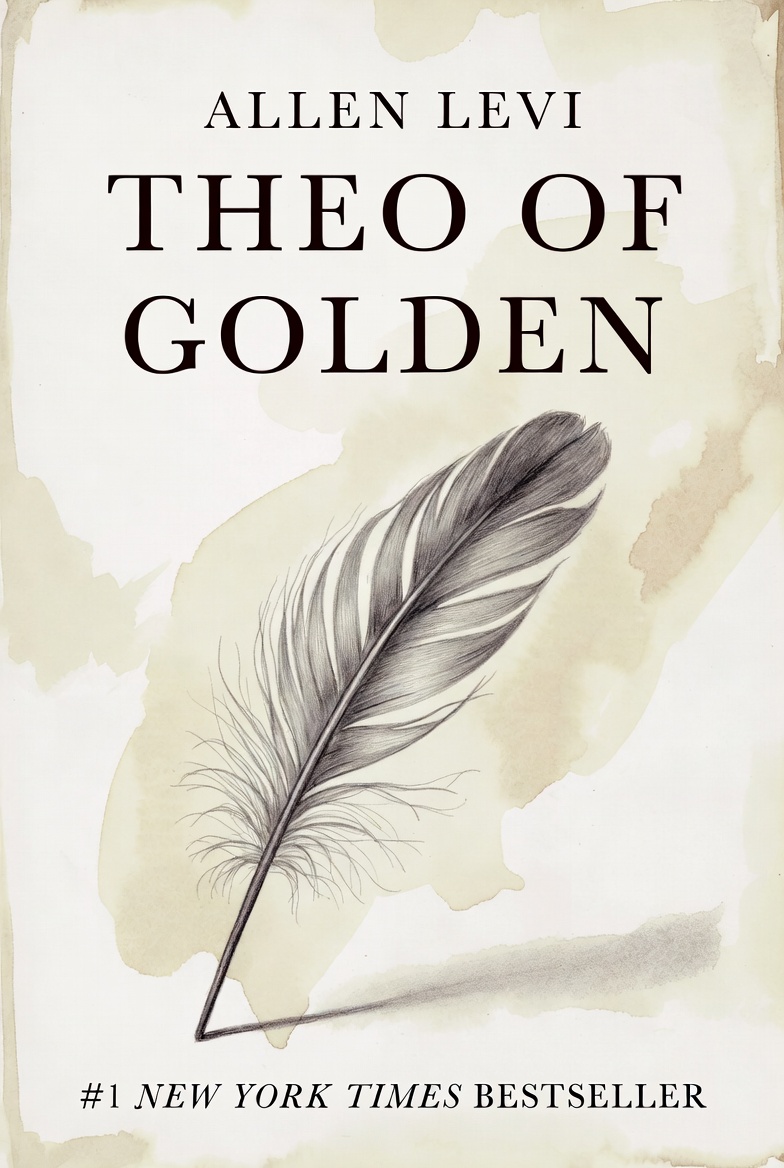
In an era of noise and division, Allen Levi’s debut novel Theo of Golden (self-published in 2023 and released by Atria Books in 2025) has become a word-of-mouth phenomenon and New York Times bestseller, selling over one million copies. The story follows an enigmatic elderly stranger named Theo who arrives in the small Southern town of Golden. He discovers 92 pencil portraits hanging in a local coffeehouse and begins a quiet mission: buying each one and personally returning it to its subject, asking only for their story in return.
Through these “bestowals”, Theo touches lives marked by grief, regret, loneliness, and quiet resilience. A bookseller, a struggling artist, a Vietnam veteran, and others find themselves truly seen -often for the first time. What unfolds is a tapestry of human connection, redemption, and the transformative power of small, intentional acts of generosity.
Levi, a Georgia-based former attorney, judge, and singer-songwriter, writes with warmth and sincerity. The novel explores themes of attentiveness, “good sadness”, beauty, and compassion without preachiness. Critics and readers alike have praised its heartwarming tone and allegorical quality, calling it “a treasure” (Hoda Kotb) and “an emotional and heartwarming tale” (USA Today).
In a world hungry for hope, Theo of Golden reminds us that one person’s kindness can ripple outward, binding communities and restoring dignity. It’s a gentle yet profound read that lingers long after the final page -proof that stories of goodness still resonate deeply. Highly recommended for book clubs and anyone seeking upliftment.
2nd of May, 2026
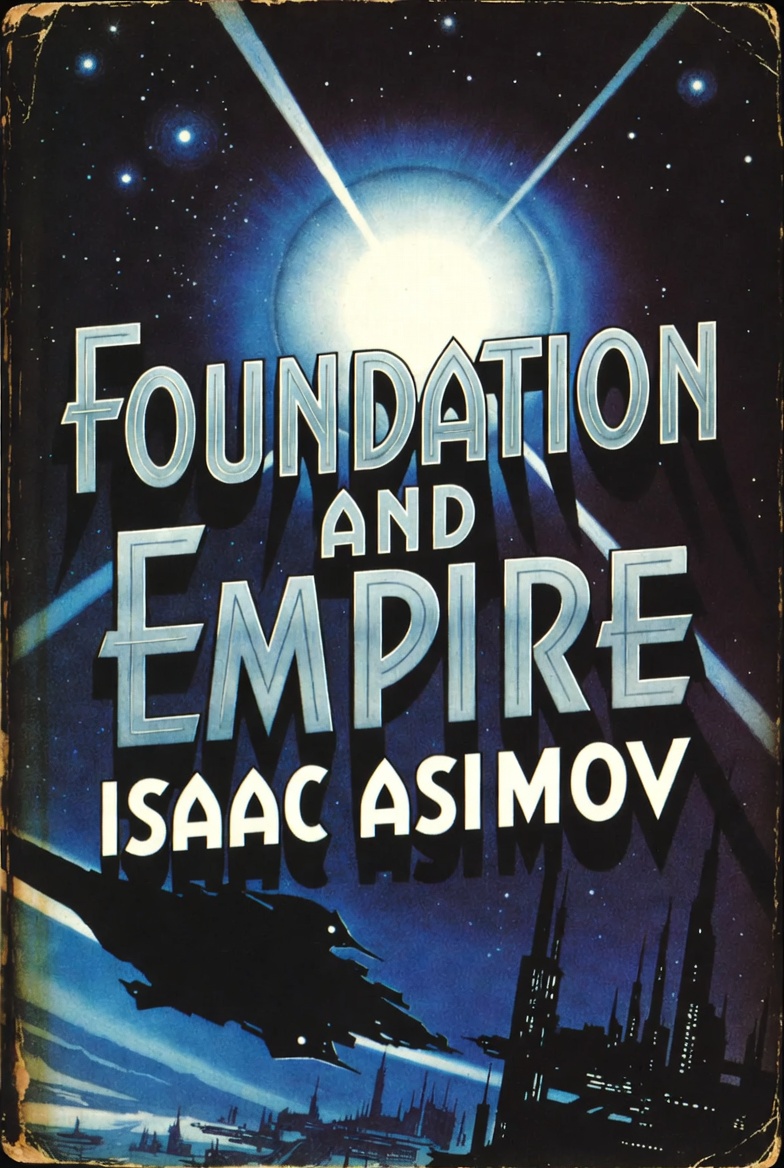
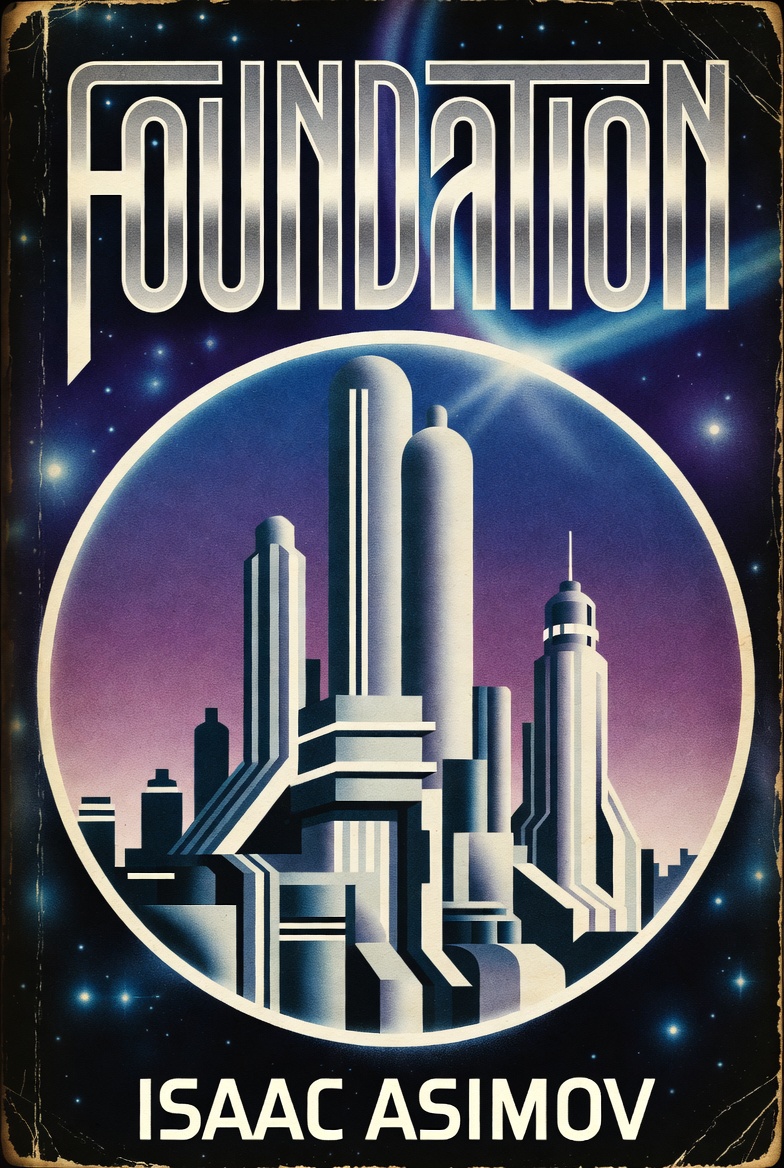
In August 1941, 21-year-old Isaac Asimov walked to a meeting with legendary editor John W. Campbell and suddenly conceived one of science fiction’s greatest epics. Fresh from reading Edward Gibbon’s The History of the Decline and Fall of the Roman Empire, Asimov imagined a galactic counterpart: a vast human empire crumbling into 30,000 years of barbarism. On the spot, he invented Hari Seldon’s science of psychohistory -the mathematical prediction of mass human behavior, drawn from his chemistry studies (just as one cannot predict a single molecule but can forecast an entire gas). Campbell loved the pitch. By the end of their two-hour talk, the Foundation series was born.
Asimov wrote the stories in his West Philadelphia apartment while holding a day job as a chemist at the Philadelphia Naval Yard during World War II and pursuing his doctorate. The first tale, “Foundation” (later retitled “The Encyclopedists”), appeared in Astounding Science-Fiction in May 1942. Seven more stories and novellas followed over the next eight years, published through January 1950. They were never planned as a single novel. Asimov composed them episodically, each a self-contained puzzle of politics, trade, or crisis, building the legend of the Foundation step by step.
In 1951, Gnome Press collected the early stories -plus a new prologue, “The Psychohistorians”- into Foundation. Foundation and Empire and Second Foundation followed in 1952 and 1953, forming the original trilogy.
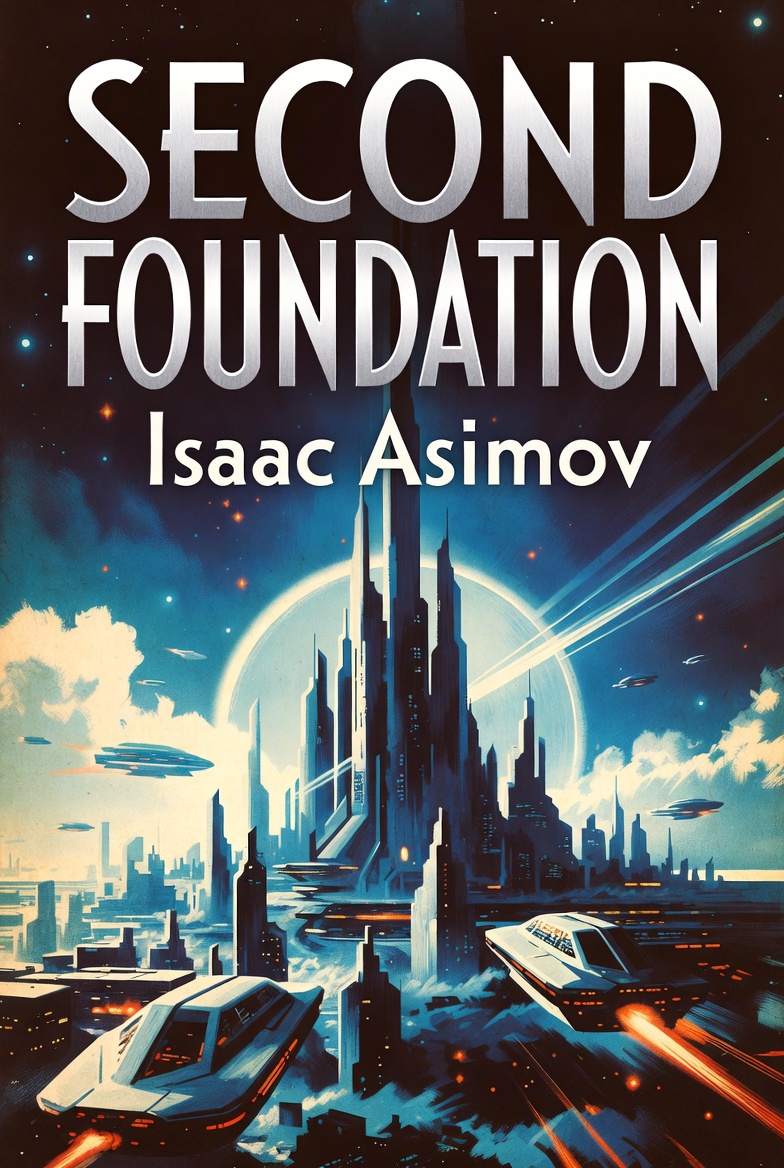
Asimov’s main struggles were practical, not creative. He balanced writing with full-time work and studies, producing the roughly 220,000 words of the core stories amid wartime demands and modest pay. The serialized format made continuity difficult; he admitted tearing up early outlines and occasionally bending psychohistory’s rules (most famously with the unpredictable Mule) to keep the plot moving. Yet he remained astonishingly prolific, letting the story evolve organically rather than forcing a rigid master plan.
What began as magazine pulp became a landmark of “hard” science fiction, proving that grand ideas and quiet intellectual drama could captivate readers. Asimov thought he had finished the series in 1950. Readers -and later publishers- would convince him otherwise decades later. But the original Foundation trilogy remains his enduring masterpiece: written fast, under pressure, and with the confidence of youth.
1st of May, 2026
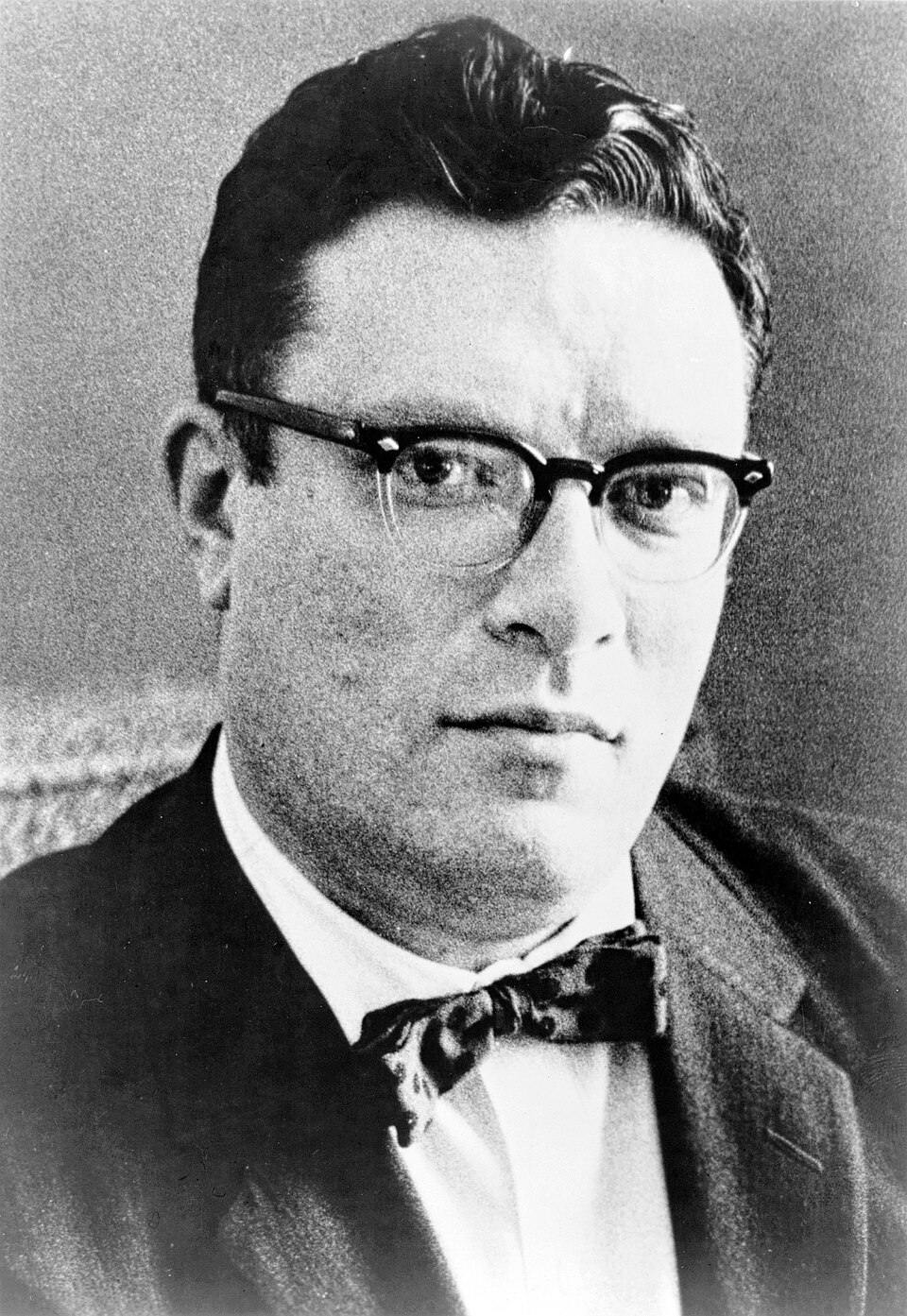
Isaac Asimov (1920-1992) stands as one of the most prolific and influential authors of the 20th century. Best known for his science fiction masterpieces like the Foundation series and the Three Laws of Robotics, Asimov wrote or edited over 500 books across genres. Beyond his towering literary output, his personal life reveals a driven, curious, and deeply humanistic individual shaped by immigration, intellect, and an unwavering faith in reason.
Born Isaak Yudovich Ozimov on January 2, 1920, in Petrovichi, Russia, Asimov immigrated to the United States at age three with his Jewish family. They settled in Brooklyn, New York, where his parents opened a candy store. Young Isaac discovered science fiction magazines on the store shelves, teaching himself to read and igniting a lifelong passion. The family’s modest immigrant life instilled strong work ethics; Asimov later credited the candy store with sparking his voracious reading habits.
He excelled academically, earning a Bachelor’s degree from Columbia University in 1939, followed by a Master’s and a PhD in biochemistry in 1948. During World War II, he served in the U.S. Navy’s Air Experimental Station alongside fellow writers Robert A. Heinlein and L. Sprague de Camp. After the war, Asimov joined Boston University’s faculty as a professor of biochemistry, a position he held until 1958, when he transitioned to full-time writing.
Asimov’s personal habits reflected a man comfortable in his own mind. A self-described claustrophile, he loved enclosed spaces and avoided flying throughout his life. He was a prolific correspondent, writing tens of thousands of letters, and maintained a rigorous daily writing schedule -often producing thousands of words before breakfast. Though married twice (first to Gertrude Blugerman, with whom he had two children, and later to psychiatrist Janet Jeppson), Asimov valued intellectual companionship. He described himself as a rationalist and humanist, rejecting organized religion while championing science, ethics, and human potential.
His breakthrough came in the 1940s with short stories in pulp magazines like Astounding Science Fiction. The Foundation trilogy (1951-1953) and I, Robot (1950) cemented his reputation. He coined “robotics” and introduced the famous Three Laws, influencing real-world discussions on AI ethics. Beyond fiction, Asimov wrote extensively on science, history, and Shakespeare, making complex topics accessible to general readers.
In later years, Asimov continued producing work at an astonishing rate. He revealed in interviews a cheerful, optimistic outlook despite health challenges. He passed away on April 6, 1992, from heart and kidney failure. In 2002, his second wife disclosed that he had contracted AIDS from a tainted blood transfusion during 1983 heart surgery, a secret kept at doctors’ request.
Asimov’s personal philosophy shines through his work: an unshakeable belief that humanity’s future lies in curiosity, science, and cooperation. He once said, “The most exciting phrase to hear in science… is not ‘Eureka!’ but ‘That’s funny…’” This blend of wonder and rationalism defined both his writing and his life.
Today, Asimov’s legacy endures in literature, popular science, and ongoing AI debates. For book lovers, exploring his biography offers insight into a mind that truly spanned the universe -from Brooklyn candy stores to galactic empires.
23rd of April, 2026
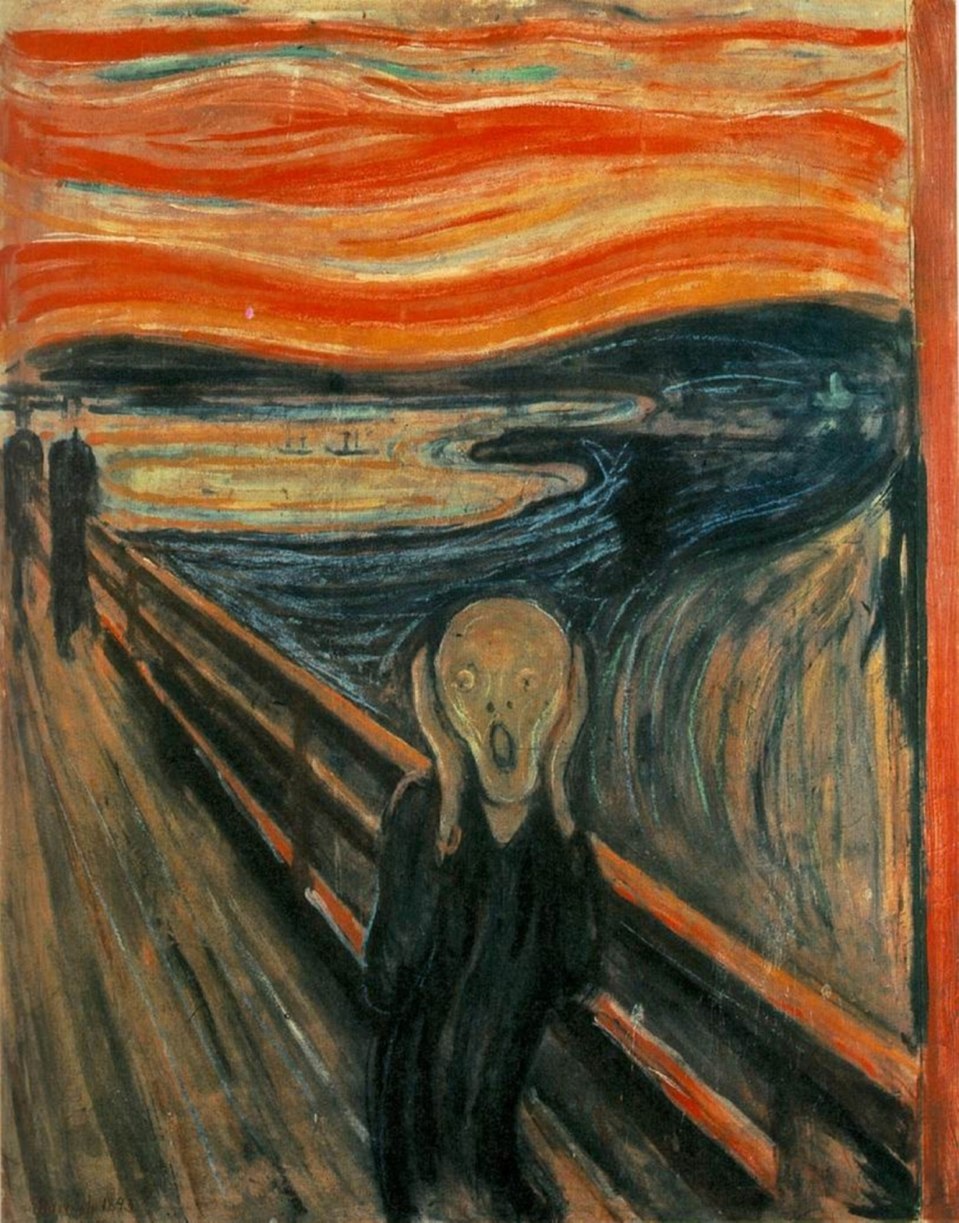
Was Jung the one who said:
“What you fear, there lies your task.”
Fear does not arise arbitrarily. It tends to manifest in dreams, in states preceding sleep, or during passive activities such as watching television. In some cases, it presents itself consciously; in others, it remains partially obscured. In both forms, it often signals an unresolved psychological tension.
From a practical standpoint, such tensions can be approached through study. Books -particularly those written by individuals who have systematically examined similar problems- provide structured interpretations and potential frameworks for understanding.
Identify the fear. Select the relevant material. Read carefully. Internalize the argument. Adjust your thinking accordingly.
13th of April, 2026
Here's the complete list of literary awards that Nuandez.com will track and consider for book recommendations, reviews, and features:
Nobel Prize in Literature. The most prestigious literary award in the world. Awarded annually by the Swedish Academy since 1901 for an author's entire body of work. Winners receive a gold medal, a diploma, and a cash prize of 11 million SEK (approximately $1.1–1.2 million USD). It brings enormous global media attention and career-defining recognition.
Booker Prize. One of the most influential prizes for fiction written in English. First awarded in 1969. The winner receives £50,000 and usually sees a major boost in sales. Since 2014 it has been open to authors of any nationality.
Pulitzer Prize. 23 annual awards administered by Columbia University in New York City for achievements in journalism, letters, and arts in the United States. Each winner receives a certificate and $15,000. Nuandez.com will focus on the categories of Fiction, Poetry, and Drama.
National Book Awards. Established in 1936 and presented annually in five categories: Fiction, Nonfiction, Poetry, Translated Literature, and Young People's Literature. Finalists receive $1,000, a medal, and a citation; winners receive $10,000 and a bronze sculpture.
International Booker Prize. Awarded annually for the best translated fiction published in English. The £50,000 prize is shared equally between the author and translator. It highlights outstanding international literature in translation.
National Book Critics Circle Awards. Presented annually by the National Book Critics Circle for the finest books published in English in the United States. Awards cover Fiction, Nonfiction, Biography, Autobiography, Poetry, Criticism, and more. (No fixed cash amount for the main awards.)
PEN/Faulkner Award for Fiction. An annual award for the best work of fiction by an American author, emphasizing literary merit over commercial success. The winner receives $15,000; each of the four finalists receives $5,000.
Hugo Awards. The leading awards for science fiction and fantasy, presented annually by the World Science Fiction Society. Categories include Best Novel, Novella, Novelette, and Short Story, among others. (No fixed monetary prize; winners receive a trophy.)
Nebula Awards. Presented annually by the Science Fiction and Fantasy Writers of America (SFWA) for the best works of science fiction and fantasy published in the United States. Key categories include Novel, Novella, Novelette, and Short Story. (No fixed monetary prize.)
Edgar Allan Poe Awards (The Edgars). Awarded annually by the Mystery Writers of America for excellence in mystery, crime, and suspense writing. Categories include Best Novel and Best First Novel, among others. Winners receive a statue (no fixed cash prize for most categories).
Newbery Medal. Awarded annually by the American Library Association for the most distinguished contribution to American literature for children. One of the most respected children's book awards. (No cash prize; winners receive a gold medal.)
Neustadt International Prize for Literature. A biennial award given by the University of Oklahoma for outstanding literary achievement. Often called the "American Nobel," it includes a cash prize of $50,000 and a silver eagle feather.
Miguel de Cervantes Prize. The most prestigious literary award in the Spanish-speaking world, awarded annually by the Spanish Ministry of Culture for a writer's entire career. The winner receives €125,000.
18th of March, 2026
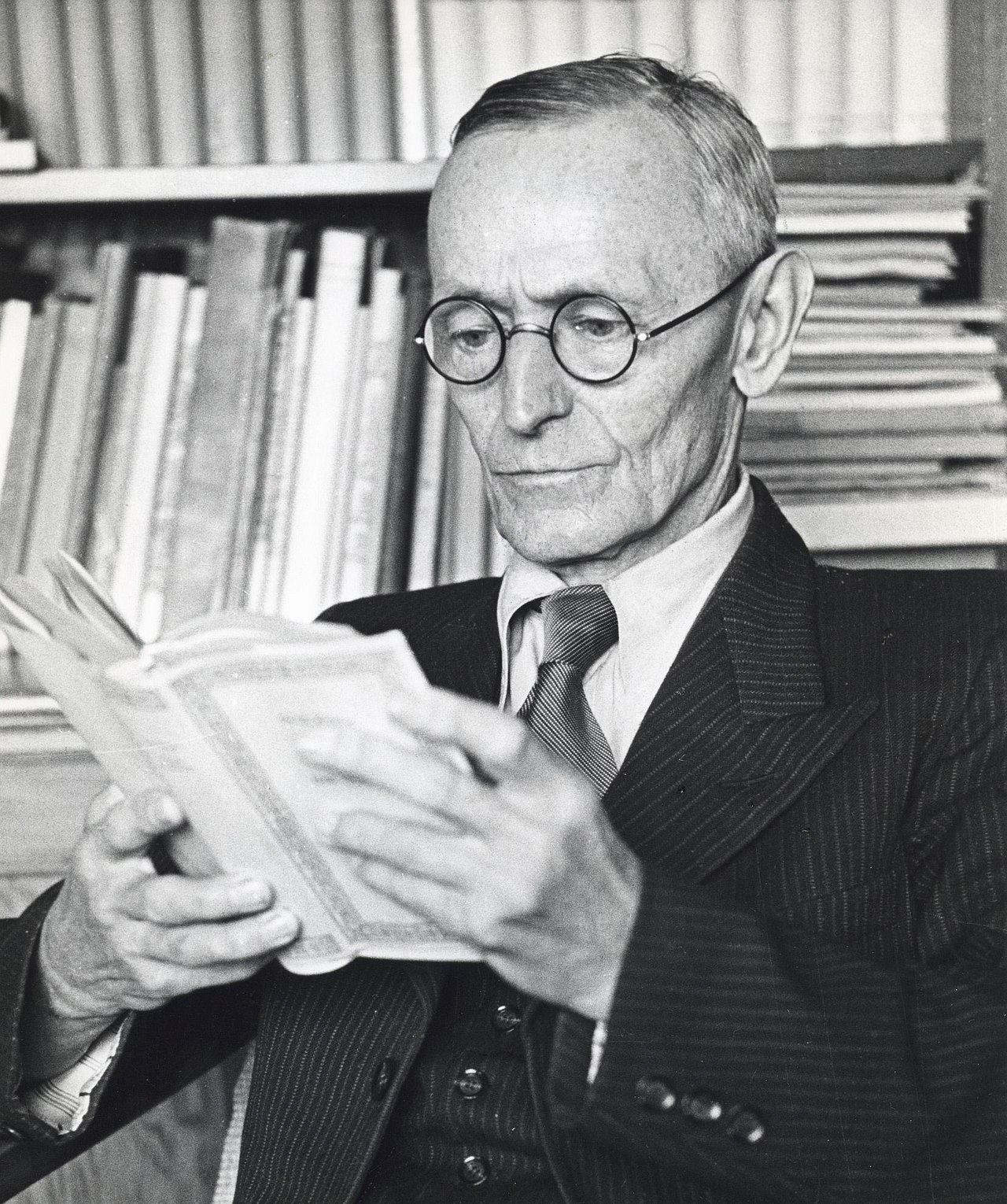
Hermann Hesse received the Nobel Prize in Literature in 1946. He shared a significant relationship with Carl Gustav Jung, the founder of analytical psychology, marked by personal meetings, correspondence, and the influence of Jungian ideas on Hesse’s writing.
The connection began in 1916 when Hesse suffered a nervous breakdown. He entered psychoanalysis with Dr. J.B. Lang, a pupil of Jung. Through Lang, Hesse encountered key Jungian concepts including the collective unconscious, archetypes, the shadow, anima, and individuation. These ideas directly shaped his novel Demian (written in 1917 and published in 1919), which Hesse credited with opening a new creative phase.
Hesse met Jung personally around 1917. In 1921, during another crisis while working on Siddhartha, he had several analytic sessions with Jung in Zurich. Hesse described the process as intense yet highly effective. Jung later confirmed in a 1950 letter that he had known Hesse since 1916 and that their discussions influenced Siddhartha and Steppenwolf.
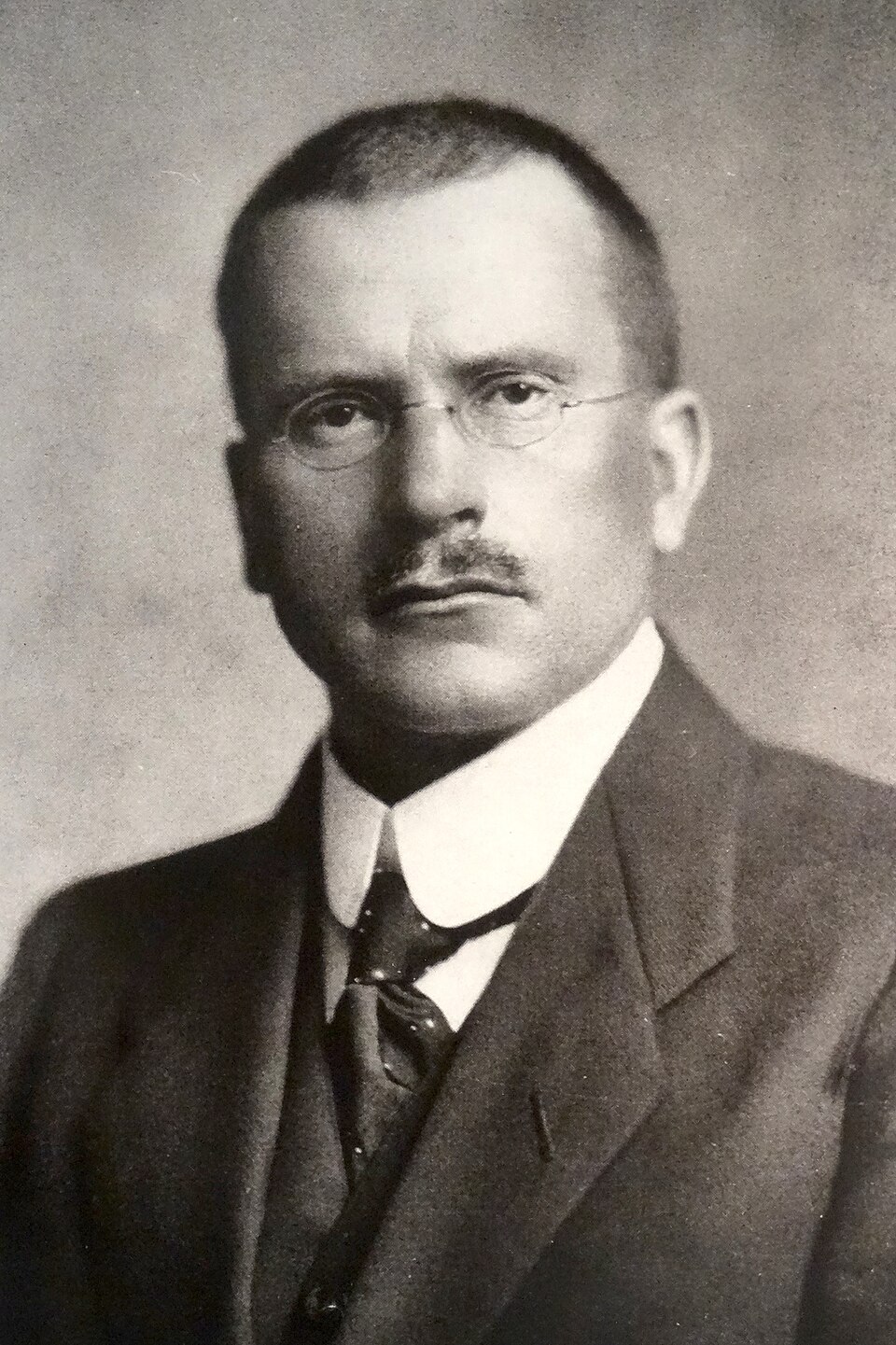
They corresponded for decades (1919–1950). In 1919, Jung wrote an enthusiastic letter praising Demian as “masterly” and “a beam of a lighthouse on a stormy night.” Hesse incorporated Jungian themes into his major works, including shadow integration in Steppenwolf, self-realization and the maternal archetype in Siddhartha, and the unity of opposites.
In their later years, both men independently befriended Chilean writer Miguel Serrano, who documented his friendships with them in the 1966 book C.G. Jung and Hermann Hesse: A Record of Two Friendships.
Jung served as an important catalyst for Hesse. Through therapy and ideas, he helped transform personal crises into literary explorations of the self. Hesse regarded Jung as a genius and an “immense mountain,” while Jung valued Hesse’s artistic expression of psychological themes.