
18th of March, 2026
Did Hermann Hesse and Carl Jung Ever Meet?
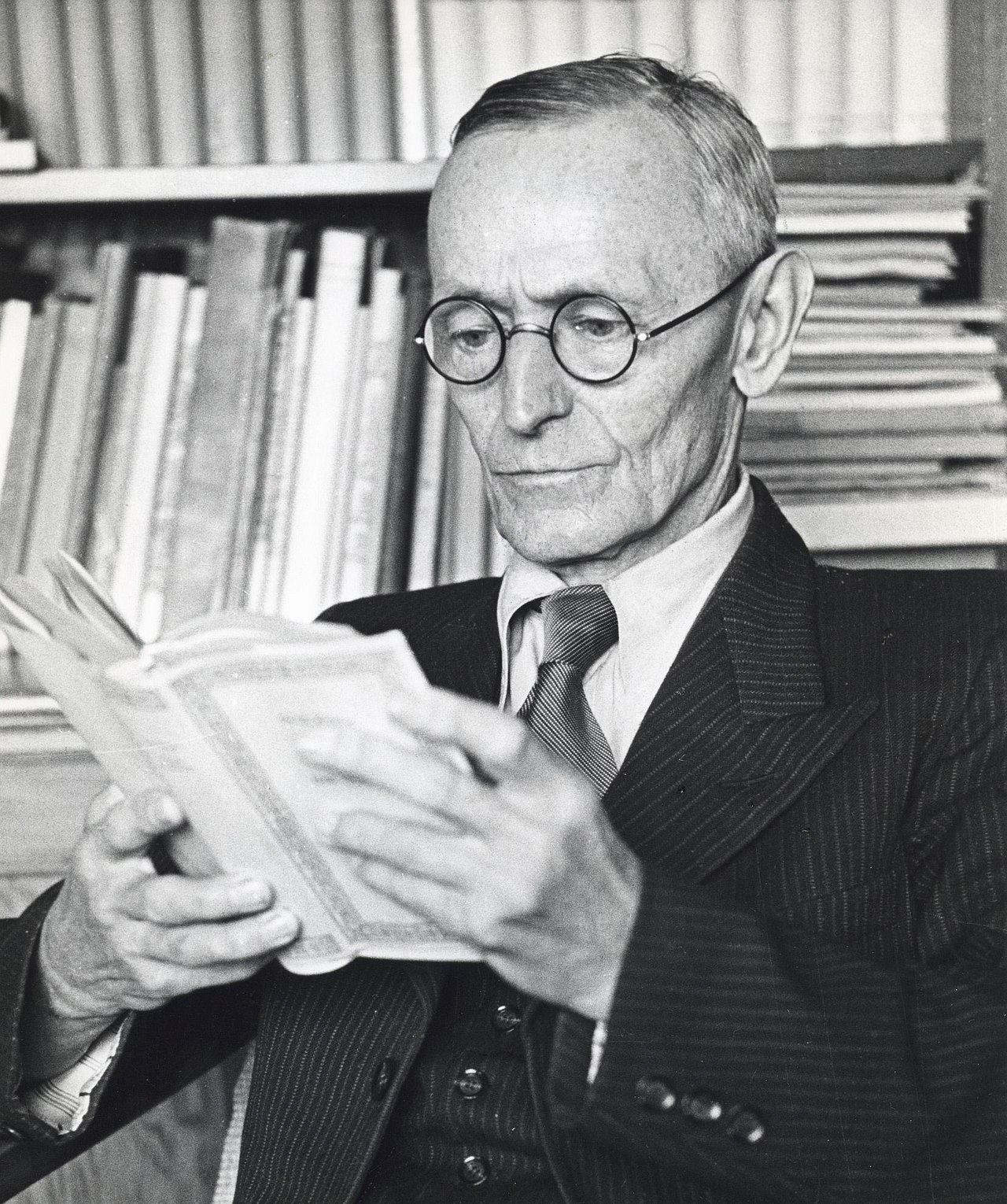
Hermann Hesse received the Nobel Prize in Literature in 1946. He shared a significant relationship with Carl Gustav Jung, the founder of analytical psychology, marked by personal meetings, correspondence, and the influence of Jungian ideas on Hesse’s writing.
The connection began in 1916 when Hesse suffered a nervous breakdown. He entered psychoanalysis with Dr. J.B. Lang, a pupil of Jung. Through Lang, Hesse encountered key Jungian concepts including the collective unconscious, archetypes, the shadow, anima, and individuation. These ideas directly shaped his novel Demian (written in 1917 and published in 1919), which Hesse credited with opening a new creative phase.
Hesse met Jung personally around 1917. In 1921, during another crisis while working on Siddhartha, he had several analytic sessions with Jung in Zurich. Hesse described the process as intense yet highly effective. Jung later confirmed in a 1950 letter that he had known Hesse since 1916 and that their discussions influenced Siddhartha and Steppenwolf.
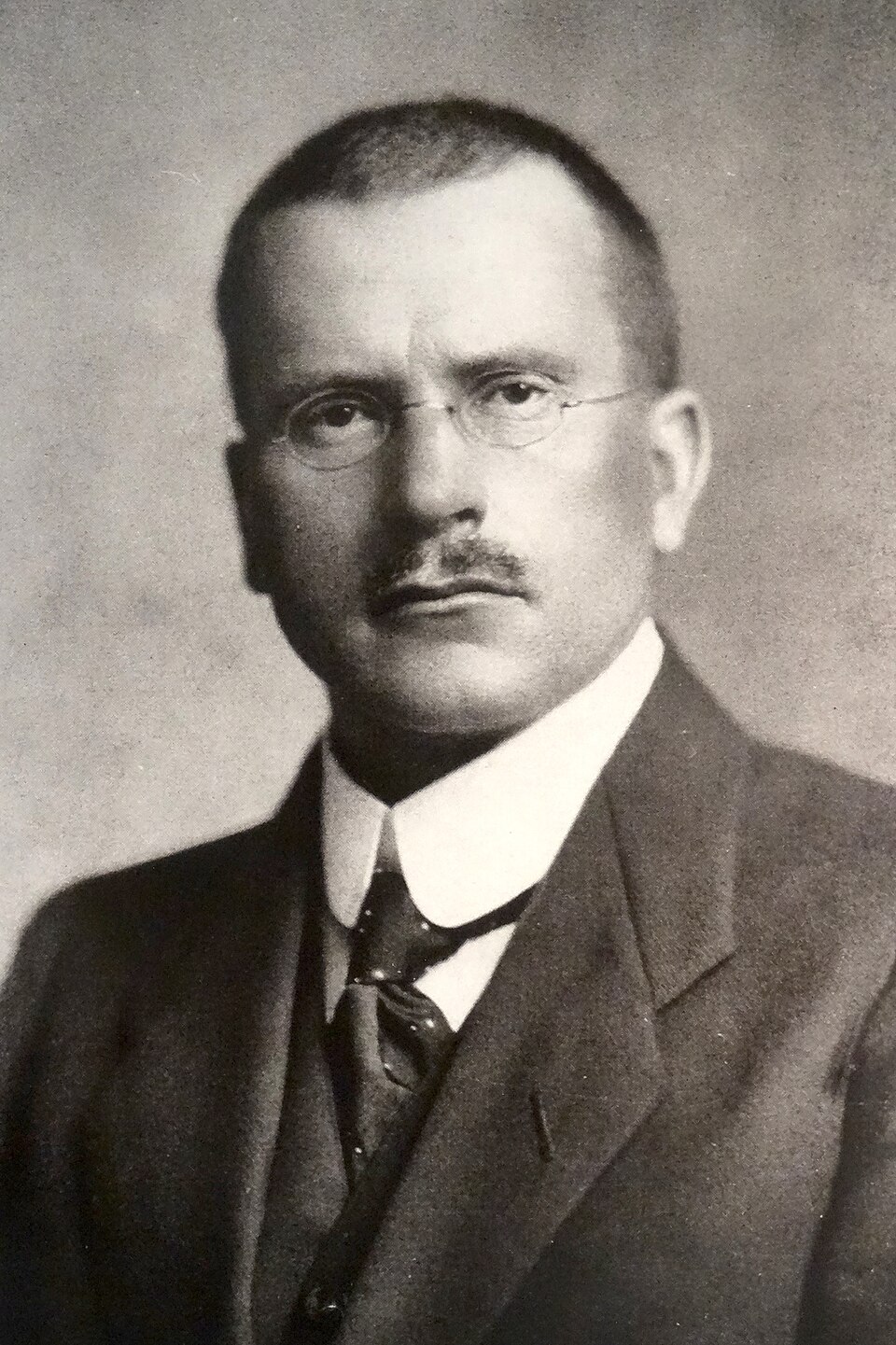
They corresponded for decades (1919–1950). In 1919, Jung wrote an enthusiastic letter praising Demian as “masterly” and “a beam of a lighthouse on a stormy night.” Hesse incorporated Jungian themes into his major works, including shadow integration in Steppenwolf, self-realization and the maternal archetype in Siddhartha, and the unity of opposites.
In their later years, both men independently befriended Chilean writer Miguel Serrano, who documented his friendships with them in the 1966 book C.G. Jung and Hermann Hesse: A Record of Two Friendships.
Jung served as an important catalyst for Hesse. Through therapy and ideas, he helped transform personal crises into literary explorations of the self. Hesse regarded Jung as a genius and an “immense mountain,” while Jung valued Hesse’s artistic expression of psychological themes.