
,
by Lisa.
Saint-Exupéry: Lost in the Desert
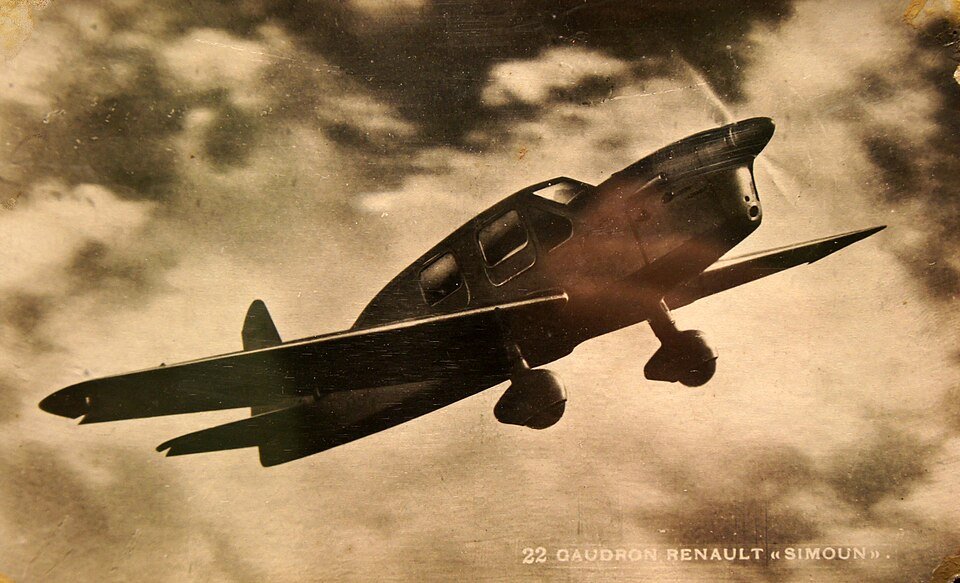
In December 1935, French aviator and author Antoine de Saint-Exupéry set out to break the speed record for a flight from Paris to Saigon. The stakes were high, offering a prize of 150,000 francs. Piloting a sleek Caudron C.630 Simoun monoplane alongside his mechanic and navigator, André Prévot, Saint-Exupéry took to the skies. However, four hours into the final leg of their journey, disaster struck. Blending into the pitch-black night, a violent storm threw the aviators off course, sending their aircraft crashing directly into the shifting sands of the Libyan Desert.
Miraculously, both men survived the initial impact, but their relief was short-lived. They quickly realized they were hopelessly stranded in one of the most hostile, arid environments on Earth. Armed with only a few maps, a handful of grapes, a single orange, a bit of chocolate, and a meager ration of coffee, they faced nearly impossible odds. Within days, their supplies vanished completely.
As the blistering desert sun beat down by day and freezing temperatures took over by night, dehydration rapidly took its toll. By the third day, the mirages began. Saint-Exupéry and Prévot experienced vivid, agonizing hallucinations, seeing phantom cities and oasis waters that evaporated into thin air as they walked toward them. They resorted to desperate measures to survive, including scraping morning dew from the wings of their wrecked plane and drinking toxic, yellowing fluid salvaged from the aircraft's radiator.
On the fourth day of their grueling ordeal, when both men were on the absolute brink of death from severe dehydration, their salvation appeared. A passing Bedouin nomad on a camel spotted the two stranded airmen. The nomad administered a life-saving rehydration ritual, rescuing them from the desert's deadly grip.

This harrowing, near-death experience deeply scarred Saint-Exupéry, but it also fundamentally transformed his creative outlook. The agonizing isolation, the vast emptiness of the dunes, and the profound hallucinations he suffered became the direct inspiration for his masterpiece, The Little Prince. The book opens with a pilot stranded beside his broken aircraft in the Sahara Desert, mirroring the exact crucible that Saint-Exupéry survived in the winter of 1935.
The Little Prince Art of War Siddhartha 1984