— Nobel Prize in Literature (1946)
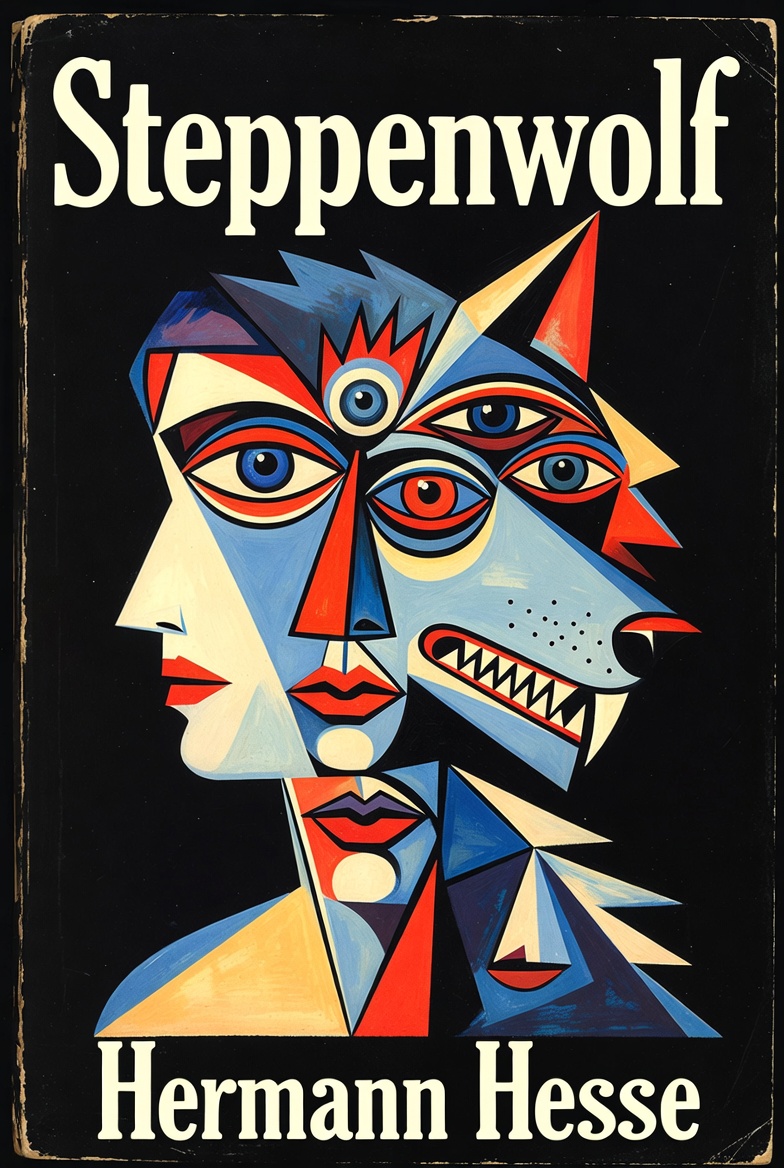
Caught between the instincts of a solitary “wolf” and the expectations of bourgeois society, Harry Haller struggles with a fractured sense of identity and belonging. As he descends into isolation and introspection, a series of surreal encounters begins to blur the line between reality and illusion. In Hermann Hesse’s Steppenwolf, the search for self becomes a psychological and philosophical journey—exploring duality, individuality, and the complexity of the human soul.
Date: 1927 (Switzerland)
Length: ~272 pages (varies by edition)
Cultural impact: ~13.450.000 copies (estimates)
Genre: Fiction, Classics
Siddhartha Demian Narcissus & Goldmund Lolita Tale of Two cities Huckleberry Finn
"Steppenwolf has shown me once again, for the first time in ages, what reading can be" — Thomas Mann (Nobel Prize in Literature 1929)
"Steppenwolf... this stupid and senseless book by that shameless old relic of the 19th century, that imitator of Dostoevsky who won the Nobel Prize..." — Jack Kerouac, in Big Sur (1962), describing his frustrated reading of the novel during a period of personal crisis
"Steppenwolf is a book about –but ultimately against– suicide. For all its savagely articulate descriptions of torment and isolation, it is most eloquent in its advocacy of humour, of Mozart, of the wisdom of living in the moment" — The Guardian
"Of all my books Steppenwolf is the one that was more often and more violently misunderstood than any other" — Hermann Hesse himself (in the 1961 author's note to the novel), reflecting on its reception
"Steppenwolf pictures a disease and a crisis –but not one leading to death and destruction, on the contrary: to healing" — Hermann Hesse
Be the first to review this book!
*As an Amazon Associate we earn from qualifying purchases.